
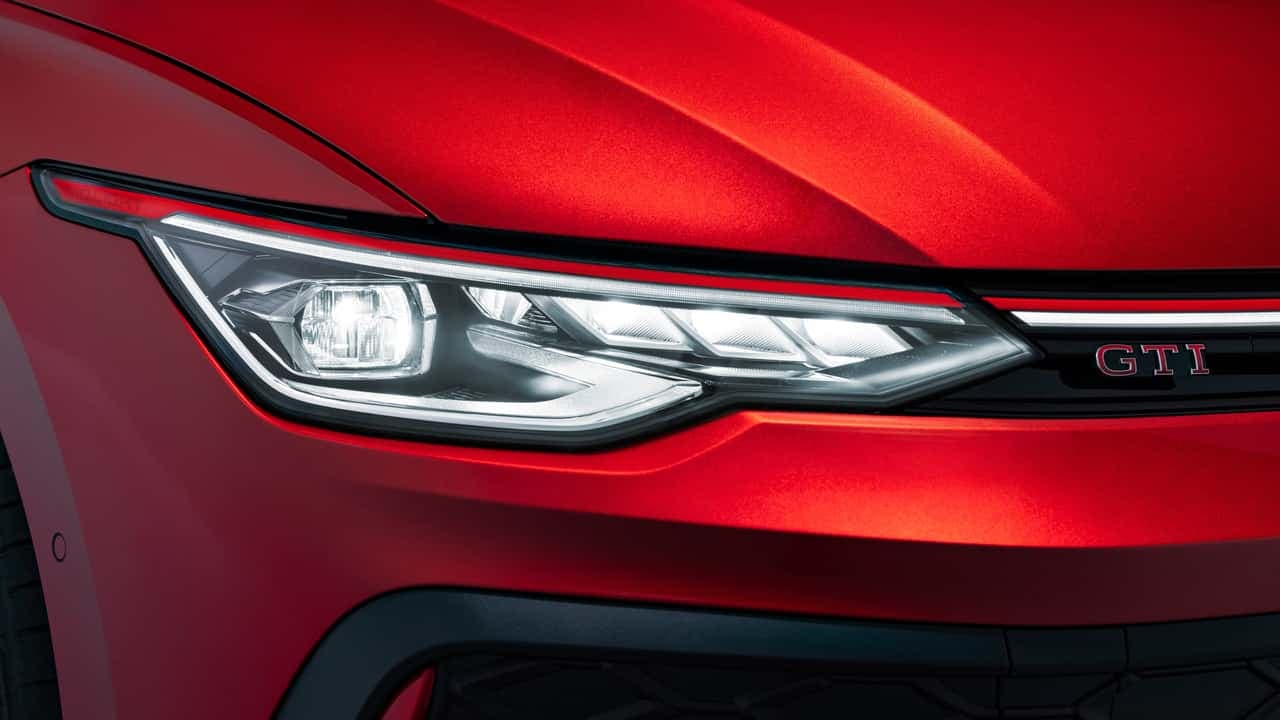
Why Aren't There More Volkswagen GTI and R Models in America?
If you've ever browsed a Volkswagen dealership lot in the United States and wondered why the legendary GTI and R badges seem so scarce compared to other performance variants from rival brands, you're not alone. It's a question that enthusiasts and casual shoppers alike have been asking for years. Now, Volkswagen has offered a candid explanation — and it's more principled than you might expect. According to the automaker, a vehicle simply cannot wear those badges if it would be "insincere" in doing so.
That single word — insincere — carries a lot of weight in Volkswagen's product philosophy. It reveals a brand ethos deeply rooted in authenticity, performance heritage, and a commitment to not diluting two of the most respected nameplates in the hot hatch and performance car world. Let's break down exactly what Volkswagen means by this and why it matters for American car buyers.
The Legacy Behind the GTI and R Badges
To understand Volkswagen's reasoning, you first need to appreciate what the GTI and R nameplates represent historically. The Volkswagen Golf GTI debuted in 1976 as one of the world's first true hot hatches. It was affordable, practical, and genuinely fast — a formula that resonated so strongly that it essentially created an entirely new automotive segment. Decades later, the GTI remains one of the most praised driver's cars on the market, celebrated for its near-perfect balance of everyday usability and spirited performance.
The R badge goes even further, representing Volkswagen's all-out performance expression — typically featuring all-wheel drive, significantly more horsepower, and sport-tuned dynamics that place it firmly in the realm of performance vehicles rather than simply sporty ones. Models like the Golf R have earned near-universal acclaim from automotive journalists and enthusiasts around the world.
Given that storied history, Volkswagen is understandably protective of what those letters stand for.
What Does "Insincere" Mean to Volkswagen?
When Volkswagen says a vehicle can't be insincere to wear a GTI or R badge, what they're really saying is that the badge must be earned — not slapped on a vehicle simply for marketing purposes or to chase sales numbers. In practical terms, this means a car receiving one of those designations must have the engineering, performance characteristics, driving dynamics, and overall character to genuinely justify the name.
In an era when automakers frequently badge-engineer their way through lineups — attaching sporty suffixes to crossovers, sedans, and SUVs that offer little more than cosmetic differentiation from their base counterparts — Volkswagen's stance is refreshingly old-school. It's a philosophy that prioritizes the integrity of the brand over short-term commercial gain.
This explains why, for instance, American buyers don't see a GTI-badged Tiguan or an R-branded Taos, even though those vehicles are popular sellers in the US market. Slapping a performance badge on a family crossover without the mechanical substance to back it up would, in Volkswagen's view, undermine everything those letters have stood for since the 1970s.
The US Market Challenge
America presents a unique challenge for Volkswagen's performance lineup. Unlike Europe, where hatchbacks and compact cars remain extremely popular across all demographics, the United States market is overwhelmingly dominated by SUVs, crossovers, and trucks. The Golf — the platform upon which both the GTI and Golf R are built — simply doesn't sell in the same volumes in America as it does abroad.
This creates a difficult commercial equation. Bringing low-volume, high-development-cost performance variants to a market that already struggles to embrace the base vehicle requires significant investment, both financial and logistical. Certification processes, crash testing, emissions compliance, and dealer network training all add layers of complexity and cost to US market launches.
Despite all of that, Volkswagen has remained committed to bringing the Golf GTI and Golf R stateside, precisely because those models carry so much brand prestige. They serve as halo vehicles — cars that may not move massive numbers but generate enormous goodwill, media attention, and aspirational appeal for the broader brand.
Could the GTI and R Badges Ever Move to Other Models?
This is perhaps the most intriguing question raised by Volkswagen's explanation. As the automotive industry pivots rapidly toward electrification and the traditional hot hatch segment faces an uncertain future, could the GTI and R identities eventually migrate to electric or crossover platforms?
Volkswagen has already introduced the ID.GTI concept, hinting at an electrified future for the GTI name. But the company appears acutely aware of the risks. An electric vehicle wearing a GTI badge would need to deliver not just performance numbers, but the kind of visceral, engaging, driver-focused experience that made the original GTI iconic. Anything less would be — by Volkswagen's own definition — insincere.
The R badge faces similar scrutiny. Volkswagen would need to ensure that any future R-badged vehicle, whether electric or otherwise, delivers a genuinely exceptional, differentiated performance experience before it can legitimately carry that heritage forward.
What This Means for American VW Enthusiasts
- Volkswagen's principled approach means that when you do buy a GTI or R model, you're getting a vehicle with real performance credentials — not a rebadged ordinary car.
- The scarcity of these models in the US market actually adds to their desirability and collector appeal over time.
- American enthusiasts can expect Volkswagen to continue fighting to bring genuine performance variants stateside, even if the lineup remains intentionally limited.
- Future electrified GTI and R models, if developed correctly, could carry the legacy forward in compelling new directions.
A Brand That Still Believes in Earning the Badge
In a modern automotive landscape full of cynical badge engineering and watered-down performance derivatives, Volkswagen's insistence on sincerity is genuinely admirable. The GTI and R nameplates mean something specific — and the company clearly intends to keep it that way, even at the cost of lower sales volumes in a market as important as the United States.
For American enthusiasts who love these cars, that commitment is exactly what keeps the GTI and R models worth waiting for. Rarity, after all, is one of the hallmarks of something truly special — and Volkswagen knows it.