
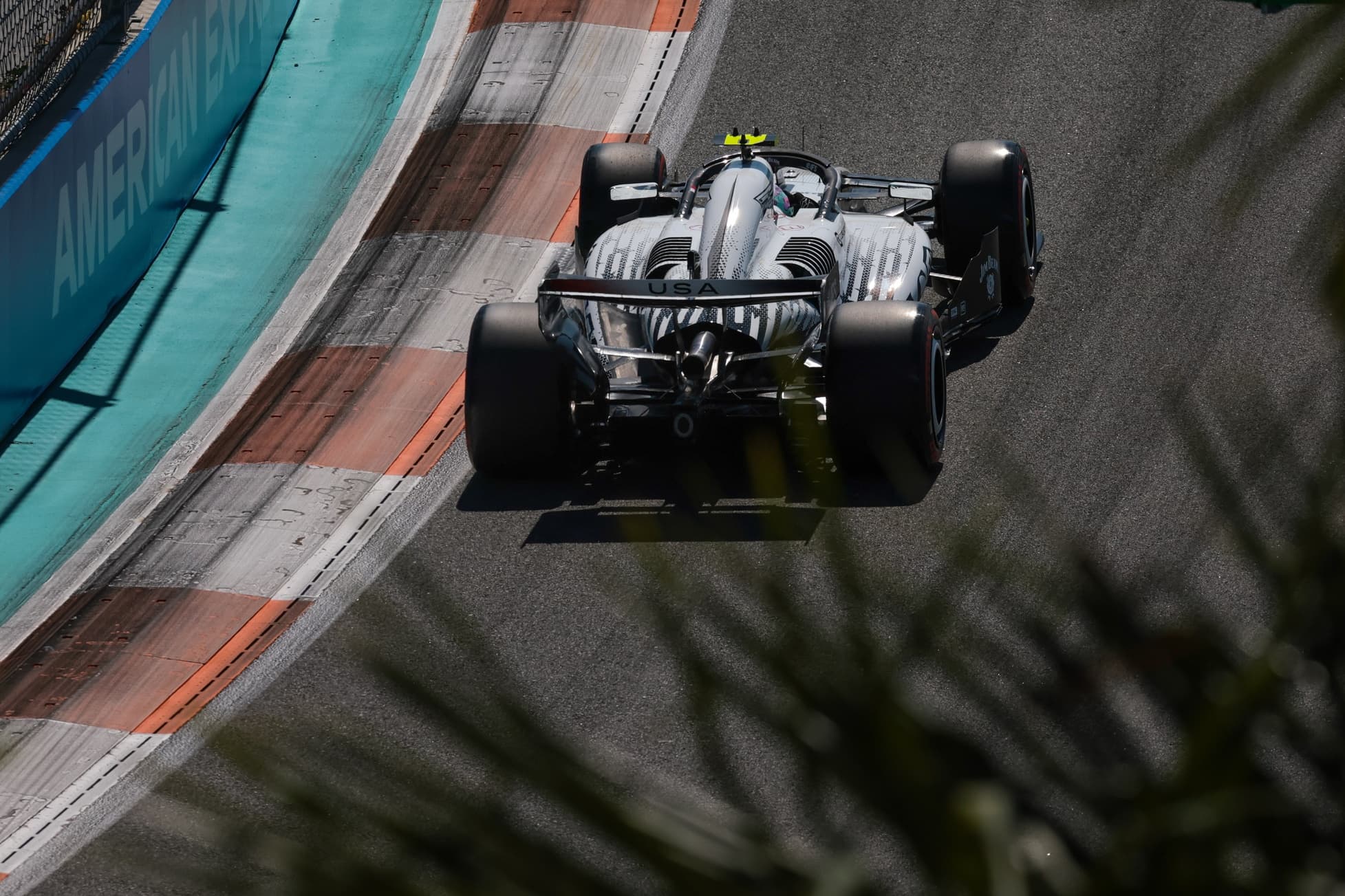
Cadillac Means Business: A Rookie F1 Team Already Pushing Its Limits
When Cadillac secured its place on the Formula 1 grid as the sport's 11th constructor for the 2026 season, the expectations were modest at best. Breaking into a field dominated by decades-old powerhouses like Ferrari, Mercedes, and Red Bull is no small feat, and most observers anticipated the American squad would spend its debut year simply learning the ropes, gathering data, and avoiding embarrassment. Nobody seriously expected them to come out of the gates swinging for points, let alone podiums.
General Motors took a measured, experienced approach to their F1 entry. By signing veteran drivers Valtteri Bottas and Sergio Perez, the team brought in two racers who collectively have hundreds of Grand Prix starts between them. Both men know what it takes to develop a car from scratch and communicate technical feedback that engineers can actually use. While Cadillac relies on Ferrari-supplied power units for now — with plans to introduce their own in-house engine by 2029 — the team's early strategy was clear: survive, learn, and build. Running at the back of the pack was always going to be part of the growing pains.
But it turns out Cadillac has grown tired of life at the rear of the field — and faster than almost anyone expected.
Major Aerodynamic Upgrades Heading to the Red Bull Ring
According to a paddock report from F1 commentator Nachez on X, citing Italian outlet AutoRacer, Cadillac is set to arrive at the Austrian Grand Prix with what is being described as "another substantial package of upgrades." This isn't a minor tweak or a small refinement to smooth out a handling quirk. This is a significant technical offensive targeting the very heart of the car's aerodynamic performance.
The two headline components of this upgrade package are brand-new sidepods and a completely redesigned floor. For any team — let alone a rookie constructor in its debut season — overhauling these two elements simultaneously represents a bold and ambitious engineering statement. It signals that Cadillac's technical department has been working at a relentless pace behind the scenes, pushing well beyond what a typical first-year team would attempt this early in a championship calendar.
Why the Floor Matters So Much in Modern F1
To understand just how significant this update is, it helps to appreciate the role the floor plays in contemporary Formula 1 car design. Since the sport returned to ground-effect aerodynamics in 2022, the floor has become the single most important aerodynamic surface on the entire car. The underfloor tunnels generate enormous downforce by accelerating airflow and creating a low-pressure zone beneath the car, essentially sucking it toward the track surface.
Even tiny changes to floor geometry, edge configurations, or tunnel profiles can produce dramatic shifts in performance. Teams at the sharp end of the grid invest enormous resources in developing and iterating on their floor concepts throughout the season. For a brand-new constructor to already be tearing up its original floor concept and replacing it with an entirely new design is a remarkable statement of intent.
It tells the rest of the paddock that Cadillac has identified significant gains on the table, that their simulation and wind tunnel tools are functioning effectively, and that they have the manufacturing capability to produce and test new components at a competitive rate.
Sidepod Redesign: Cooling, Aerodynamics, and Car Packaging
Alongside the floor overhaul, the new sidepods are equally significant. Sidepods serve a dual purpose in F1 car design. On one hand, they house the radiators and cooling systems that keep the power unit operating within safe temperature windows. On the other, their outer shape has a massive influence on how airflow is directed around the car and toward the rear diffuser and beam wing.
A sidepod redesign of this scale suggests Cadillac may have found a more efficient cooling solution that allows for tighter, more aerodynamically favorable packaging. It could also indicate that their original sidepod concept was creating unwanted turbulence or failing to condition the airflow as effectively as their simulations predicted. Either way, the willingness to scrap and rebuild so early in a season is not something timid engineering teams do. It takes confidence in the data and courage in execution.
Bottas and Perez: The Right Drivers to Unlock the Upgrade
One underappreciated element of this upgrade story is the driver pairing Cadillac has assembled to evaluate it. Valtteri Bottas spent years at the very front of the F1 grid with Mercedes, working alongside Lewis Hamilton during one of the sport's most dominant eras. Sergio Perez brought home race wins and played a crucial role in Red Bull's championship successes. Both drivers understand what a well-developed car feels like and can provide the kind of granular, nuanced feedback that helps engineers identify whether an upgrade is performing as intended or needs further refinement.
Deploying a major aerodynamic package with experienced test and development drivers at the wheel is a smart move. The data Cadillac collects at the Red Bull Ring will be invaluable in shaping the direction of further development through the second half of the season.
Targeting the Midfield: Cadillac's Real Goal in Austria
The phrase "hunting down the midfield" is not just a dramatic way of framing Cadillac's ambitions. It reflects a genuine and realistic short-term target. The F1 midfield in 2026 is a competitive and tightly packed group, where small performance differences separate teams on race day. Breaking into that group consistently would represent a genuine achievement for a debut constructor and would validate the enormous investment General Motors has made in this project.
- A redesigned floor targeting improved ground-effect downforce generation
- New sidepods aimed at better aerodynamic efficiency and cooling packaging
- Experienced drivers capable of maximizing and evaluating new components
- Ferrari power units providing a reliable and competitive engine baseline
- A technical team clearly working at a pace that exceeds typical first-year expectations
If this upgrade package delivers even a portion of the gains Cadillac is hoping for, the Austrian Grand Prix could mark the moment the sport's newest team officially introduced itself as a genuine midfield contender. The Red Bull Ring's high-speed, aerodynamically demanding layout will provide an honest and comprehensive test of whether Cadillac's engineering gamble has paid off.
One thing is already clear: Cadillac did not come to Formula 1 to simply make up the numbers. They came to race — and in Austria, they're bringing the receipts to prove it.