
General Motors Is Thinking Much Bigger Than Cars
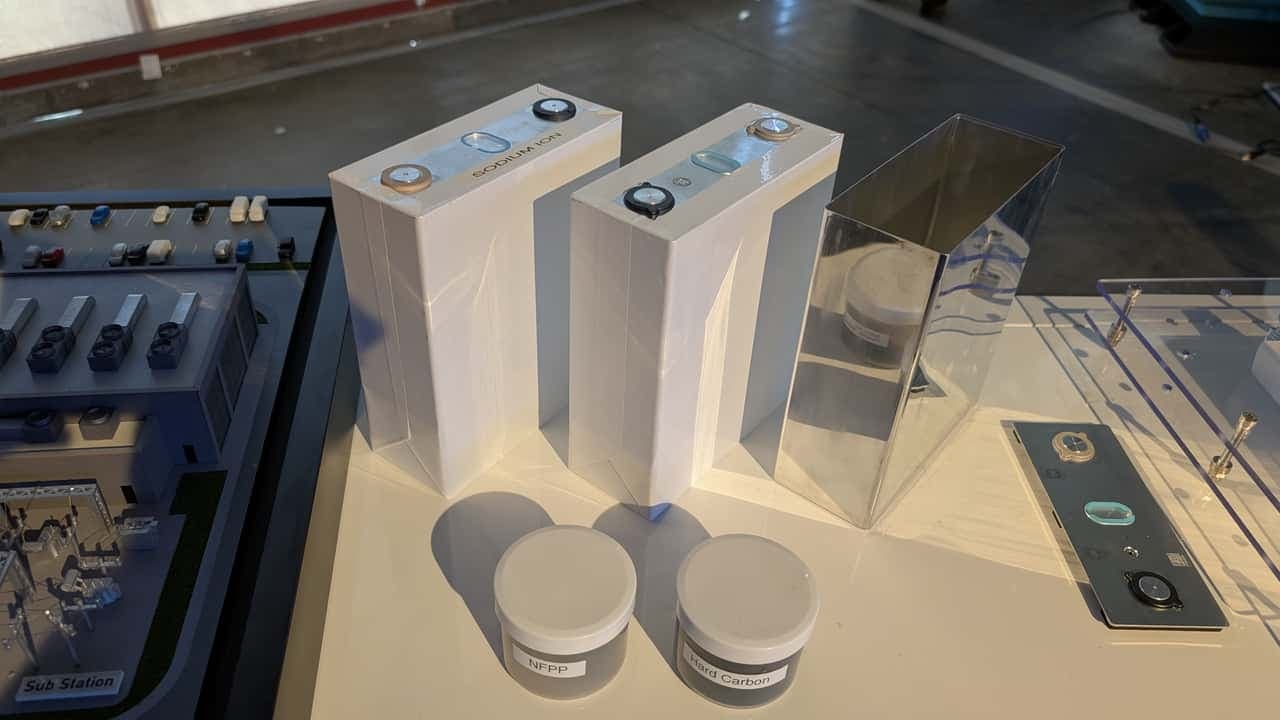
When most people think about General Motors, they picture trucks rolling off assembly lines in Detroit, or perhaps the sleek silhouette of a Chevy Silverado EV. But GM's ambitions in 2025 stretch far beyond the vehicles themselves. The automaker is quietly positioning itself as a major player in energy storage and grid management, with two key technologies at the center of its strategy: sodium-ion batteries and vehicle-to-grid (V2G) technology. Together, these innovations could fundamentally change not just how Americans drive, but how the entire country powers itself.
What Are Sodium-Ion Batteries — And Why Does GM Care?
For years, lithium-ion batteries have been the undisputed champion of EV technology. They power everything from your smartphone to a Tesla Model S. But lithium comes with real-world limitations: the raw material is expensive, concentrated in geopolitically sensitive regions, and difficult to mine sustainably. That's where sodium-ion batteries enter the picture.
Sodium is one of the most abundant elements on Earth. It's essentially the same material found in table salt, which makes it dramatically cheaper and easier to source than lithium. Sodium-ion batteries operate on a similar electrochemical principle to their lithium counterparts, but they use sodium ions moving between the anode and cathode to store and release energy.
GM's investment in sodium-ion technology signals a strategic pivot toward energy independence and cost reduction. While sodium-ion batteries currently offer lower energy density than lithium-ion — meaning they store somewhat less energy per unit of weight — they excel in applications where sheer range isn't the top priority. Think: city commuter vehicles, stationary energy storage systems, and entry-level EV models designed to bring more consumers into the electric fold.
The Cost Advantage Is the Game-Changer
Perhaps the most compelling argument for sodium-ion adoption is price. Industry analysts estimate that sodium-ion battery packs could cost significantly less per kilowatt-hour than comparable lithium-ion packs. For an automaker like GM that is fighting to make EVs profitable at scale, shaving hundreds of dollars off the cost of a battery pack is not a minor footnote — it's a potential turning point for the entire EV business model. Cheaper batteries mean cheaper vehicles, which means broader adoption, which means a faster path to the electrified future GM is banking on.
Vehicle-to-Grid Technology: Your Car as a Power Plant
If sodium-ion batteries represent GM's play on the supply side of the energy equation, vehicle-to-grid technology is its move on the demand side. V2G is a system that allows electric vehicles to not only draw power from the grid but to send power back to it. In practical terms, your parked EV becomes a mobile energy storage unit capable of feeding electricity back into your home, your neighborhood, or the broader utility grid during periods of peak demand.
The implications are enormous. The United States power grid is under increasing stress, with extreme weather events, aging infrastructure, and surging demand from data centers and industrial electrification all straining capacity. EVs equipped with V2G capability could serve as a massive, distributed network of backup power — millions of rolling batteries that stabilize the grid during emergencies and reduce the need for expensive new power plants.
How V2G Works in Practice
Here's a simplified breakdown of how vehicle-to-grid technology functions in a GM ecosystem:
- Charging during off-peak hours: The vehicle charges overnight when electricity demand — and therefore cost — is lowest, often when renewable energy generation from wind is at its highest.
- Discharging during peak hours: During high-demand periods, typically mid-afternoon on hot summer days, the vehicle pushes energy back into the grid or into the homeowner's property, reducing strain on utilities.
- Smart scheduling: GM's proprietary software learns the driver's schedule and battery preferences, ensuring the vehicle is always sufficiently charged for the next trip while maximizing the value of energy trading.
- Revenue potential for owners: Some utility programs compensate EV owners for participating in V2G programs, turning a parked vehicle into a modest income stream.
GM has been piloting V2G capabilities through partnerships with energy companies and utility providers, and its Ultifi software platform is designed to make these interactions seamless and user-friendly. The company views connected energy services as a long-term revenue opportunity that complements vehicle sales rather than replacing them.
Why This Strategy Makes Business Sense for GM
General Motors isn't pursuing sodium batteries and V2G out of altruism. There is a clear commercial logic behind the push. The automotive industry is undergoing its most significant transformation in over a century, and the companies that survive will be those that find profitable footholds in adjacent markets. Energy services is one of the most promising of those adjacencies.
GM CEO Mary Barra has spoken repeatedly about the company's vision of "zero crashes, zero emissions, zero congestion." Embedded within that vision is an understanding that the EV of the future isn't just a transportation device — it's a node in a broader energy network. By owning a piece of that network through V2G software, energy partnerships, and proprietary battery chemistry, GM creates recurring revenue streams that aren't dependent solely on new vehicle sales.
Additionally, as federal and state incentives continue to evolve, automakers that can demonstrate grid benefits from their EV fleets may find themselves better positioned to qualify for subsidies, regulatory credits, and utility partnerships that further reduce costs across the board.
Challenges Ahead: It's Not All Clear Skies
Despite the promise, GM's energy ambitions face real obstacles. Sodium-ion battery technology still lags behind lithium-ion in energy density, and scaling up manufacturing to meet mass-market demand will require substantial capital investment and time. Supply chains for sodium-ion components are still immature compared to the well-established lithium-ion ecosystem.
On the V2G side, widespread adoption depends heavily on utility cooperation, updated grid infrastructure, and consumer education. Many drivers remain unfamiliar with the concept of their car functioning as a power source, and concerns about battery degradation from additional charge cycles — however overstated — persist among potential buyers.
Regulatory frameworks also vary wildly by state, with some utility markets far more open to distributed energy resources than others. GM will need to navigate a patchwork of rules and incentive structures to scale V2G meaningfully across the United States.
The Bigger Picture: A New Role for the American Automaker
What GM is attempting is nothing short of a reinvention of what it means to be a car company. By layering energy storage innovation on top of vehicle manufacturing, and by turning its growing EV fleet into a distributed grid asset, GM is staking a claim in the future of American energy infrastructure — not just American roads.
Whether sodium-ion batteries prove to be the mass-market breakthrough GM is hoping for, and whether V2G technology reaches the penetration needed to genuinely move the needle on grid stability, remains to be seen. But the direction of travel is unmistakable. GM is betting that the most valuable automaker of the next decade won't just be the one that sells the most vehicles — it will be the one that powers the most homes.
For consumers, investors, and policymakers alike, that's a bet worth paying very close attention to.