
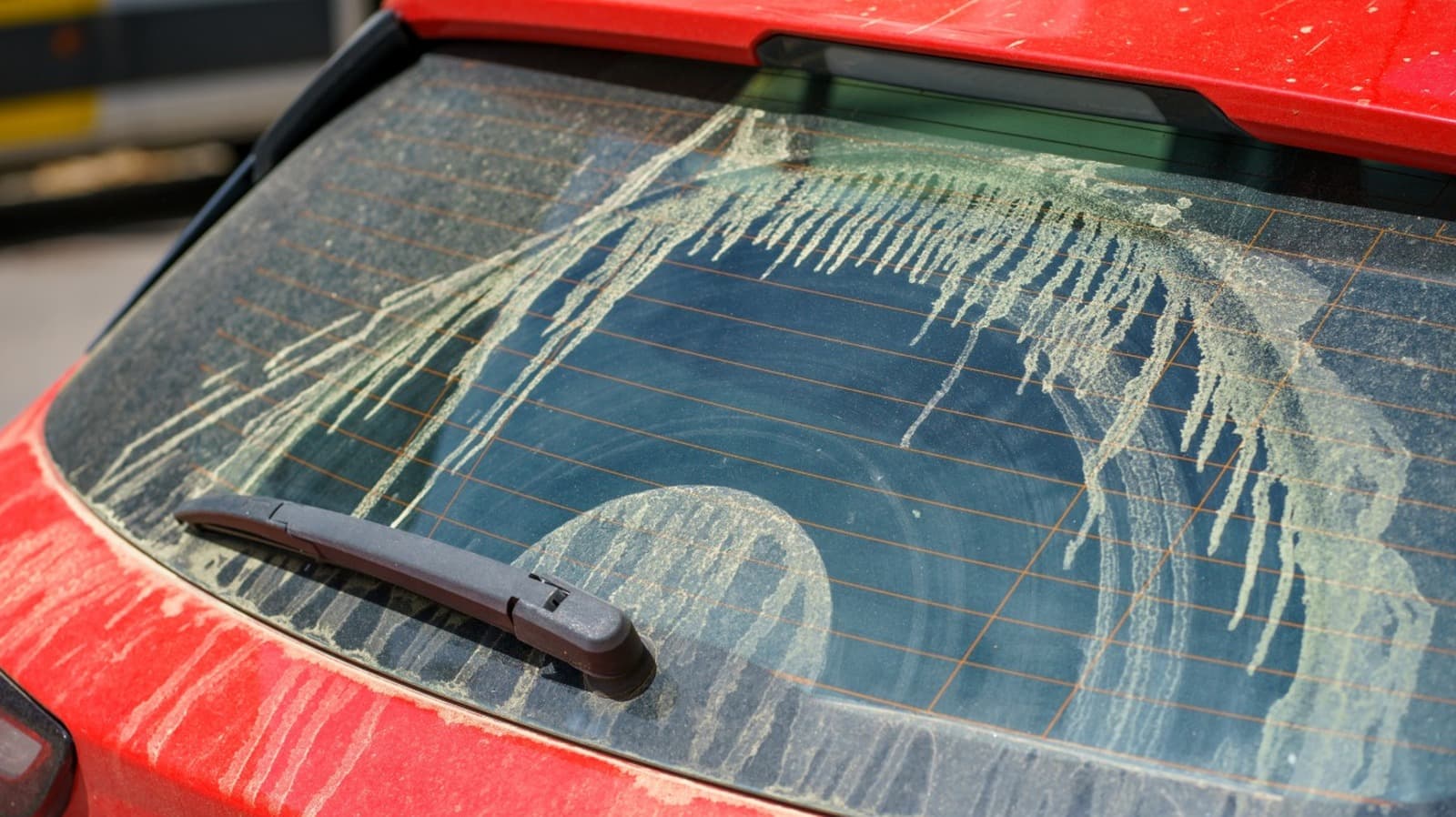
Pollen and Your Car: A Bigger Problem Than You Think
Every spring and summer, millions of people stock up on antihistamines and brace themselves for the annual onslaught of pollen. The sneezing, the itchy eyes, the congestion — it's miserable. But here's something most drivers don't realize until it's too late: pollen isn't just a threat to your respiratory health. Those same microscopic particles drifting through the air can cause serious, lasting damage to your vehicle's exterior. Your car is sitting outside soaking it all up, and the consequences can be far more costly than a box of tissues.
Understanding exactly how pollen harms your car — and what you can do about it — can save you from expensive paint correction jobs and preserve your vehicle's long-term value. Let's dig into the science, the risks, and the solutions.
Why Pollen Is More Destructive Than It Looks
At first glance, a dusting of yellow pollen on your hood looks like nothing more than a light coating of powder. Harmless, right? Not quite. Under a microscope, pollen grains are far from smooth. Many species produce pollen with jagged, spiky surfaces designed by nature to latch onto insects and other carriers. When those sharp-edged particles settle on your car's clear coat and paintwork, they can act almost like fine sandpaper — especially when you add wind, rain, or an ill-advised dry wipe to the equation.
Beyond the physical scratching risk, pollen also carries a chemical threat. When pollen gets wet — from rain, morning dew, or even high humidity — it can release acidic compounds and organic chemicals that bond to your vehicle's clear coat. Left long enough, these deposits can etch into the paint, leaving behind dull spots, stains, and micro-pitting that are difficult and expensive to correct. The longer pollen sits on your car without being properly removed, the more opportunity it has to do permanent damage.
The Parts of Your Car Most Vulnerable to Pollen
While the entire exterior of your vehicle is exposed, certain areas tend to suffer more than others during peak pollen season.
- Paint and clear coat: This is where the most visible and costly damage occurs. Etching and staining from pollen compounds can dull even a showroom-quality finish over time.
- Windshield and glass: Pollen buildup on glass can reduce visibility, and when mixed with rain or wiper fluid and smeared by wiper blades, it can leave a filmy residue that's surprisingly stubborn to clean off properly.
- Wiper blades: Pollen and the sticky residue it leaves behind can degrade rubber wiper blades faster than normal, affecting their performance and eventually leading to streaking on your windshield.
- Air intake vents and cabin air filters: Pollen doesn't just stay outside. It gets drawn into your car's ventilation system, clogging cabin air filters and reducing air quality inside your vehicle. A severely clogged filter can even put extra strain on your HVAC system.
- Door seals and trim: Pollen that accumulates in rubber seals and trim pieces can work its way inside the car over time and may cause premature deterioration of rubber components.
How to Safely Remove Pollen From Your Car
One of the most common mistakes drivers make is wiping pollen off their car with a dry cloth or even a bare hand. Given the abrasive texture of pollen particles, this is essentially dragging grit across your paint — a recipe for fine scratches and swirl marks that will show up clearly in direct sunlight.
The safest method for removing pollen is a proper rinse with water first. Using a hose or a pressure washer on a low setting, flush as much loose pollen from the surface as possible before you ever touch the car with a cloth. This lifts the particles away rather than grinding them into the clear coat.
Follow up with a thorough hand wash using a pH-neutral car shampoo and a soft microfiber wash mitt, working from the top of the car downward to avoid dragging contaminated water back over cleaner panels. Rinse thoroughly and dry with a clean, plush microfiber towel.
If pollen has already begun to etch or stain your paintwork, a clay bar treatment can help remove bonded contaminants before they cause further harm. In more severe cases, light paint correction or polishing may be needed — something best left to a professional detailer.
Protecting Your Car During Pollen Season
Prevention, as always, is far cheaper than correction. There are several practical steps you can take to minimize the damage pollen does to your vehicle throughout the season.
- Park indoors when possible: A garage is your car's best friend during pollen season. Even a carport offers significantly more protection than parking in the open air under trees.
- Apply a quality car wax or paint sealant: A good wax or ceramic coating creates a slick, protective barrier over your clear coat that makes it harder for pollen to bond and easier to rinse away.
- Wash your car frequently: During peak pollen weeks, washing once a week — or more if your area has particularly high pollen counts — keeps buildup from getting out of hand.
- Use a car cover: If indoor parking isn't available, a breathable, soft-lined car cover is an effective way to shield your paint from direct pollen exposure.
- Replace your cabin air filter: Check your cabin air filter at the start of pollen season and again afterward. A clogged filter is easy and inexpensive to replace and makes a meaningful difference to air quality inside the car.
Don't Underestimate the Seasonal Threat
Pollen season is something most of us endure, but few of us actively protect our vehicles against. The damage it causes is gradual and cumulative, which makes it easy to ignore until the effects become obvious and costly to reverse. A little extra attention to your washing routine, a coat of protective wax before the season peaks, and smarter parking choices can go a long way toward keeping your car's finish in excellent condition year after year. Your car faces enough hazards on the road — don't let something as seemingly innocent as flower pollen be the thing that ruins its paint job.