
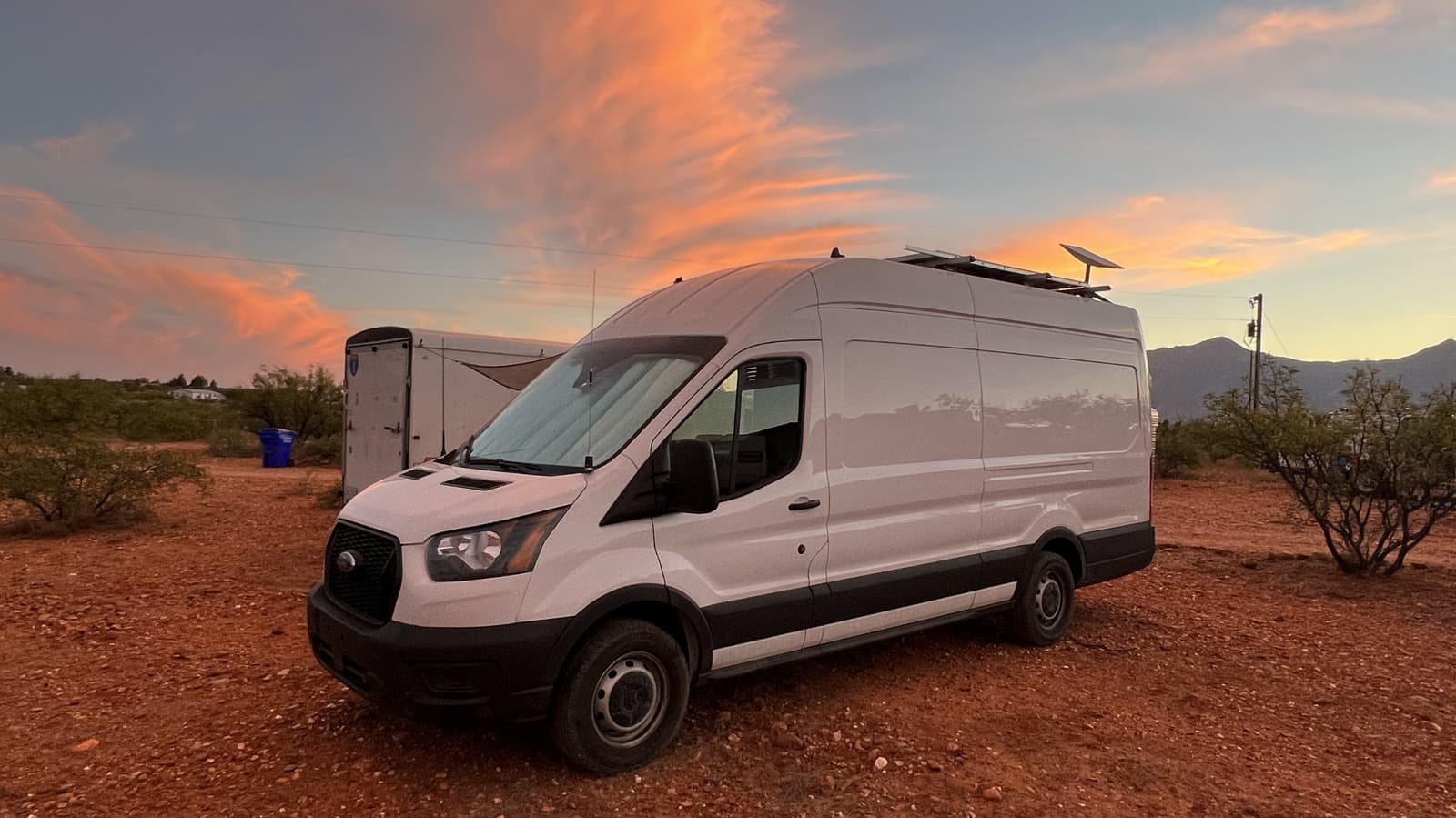
Van Life Looks Perfect Online — But What's the Real Story?
Scroll through Instagram or TikTok for more than five minutes and you'll find a steady stream of van life content: steaming coffee mugs perched on dashboard dashboards above misty mountain ranges, golden-hour sunsets framed perfectly through open cargo doors, and impossibly tidy sleeping lofts draped in fairy lights. It all looks effortless, liberating, and cheap. But experienced van dwellers will tell you the reality is a little more complicated — and a lot more honest — than what makes it onto social media.
That doesn't mean van life is a bad idea. For the right person, it can genuinely be one of the most fulfilling ways to live. But walking into it armed with misconceptions is a recipe for frustration, financial strain, and a very fast return to conventional housing. Let's break down six of the most common van life myths circulating right now and replace them with the unfiltered truth.
Myth 1: Van Life Is Cheap and You'll Save a Ton of Money
This is probably the most widespread myth in the van life community, and it's the one that catches the most newcomers off guard. The idea goes something like this: no rent, no utility bills, no mortgage — therefore van life must be incredibly affordable. In reality, the upfront costs alone can rival a security deposit and first month's rent on a city apartment.
A reliable used van — the kind you'd actually want to live in for months or years — can easily cost between $15,000 and $40,000 depending on the make, model, and mileage. Then comes the build-out: insulation, a bed platform, electrical system, solar panels, water storage, ventilation fans, and kitchen setup can add another $5,000 to $20,000 if you're doing it thoughtfully. Beyond the initial investment, you're still on the hook for fuel, insurance, maintenance, campsite fees, gym memberships for showers, groceries, and phone data plans for remote work. Done carelessly, van life can actually cost more per month than renting a modest apartment.
Myth 2: You'll Have Total Freedom Every Single Day
Freedom is the word most associated with van life, and it's not entirely wrong — but the kind of freedom you get is more nuanced than the highlight reel suggests. Yes, you can theoretically wake up wherever you want. But "wherever you want" is constrained by parking regulations, private property laws, seasonal road closures, noise ordinances, and the very real need to find a bathroom, drinking water, and a reliable internet connection before 9 a.m. for your remote work call.
Many van lifers describe spending a surprising amount of mental energy on logistics: where to park tonight, where to refill the water tank, which gym has a day pass, whether the weather will be too hot or too cold to sleep comfortably. Freedom is there, but it comes packaged with a constant low-level problem-solving that never fully goes away.
Myth 3: Van Life Is Lonely and Isolating
On the flip side, some people avoid van life because they assume it must be profoundly lonely. The truth is that the van life community is vast, active, and surprisingly welcoming. Online forums, subreddits, Facebook groups, and apps like The Dyrt or iOverlander make it easy to find other travelers, share campsite recommendations, and even meet up in person at popular spots like Quartzsite, Arizona, or Anza-Borrego in California.
That said, loneliness can absolutely be a factor if you're not proactive about building community. It depends heavily on your personality and how intentionally you pursue connection. Extroverts tend to thrive in van life social scenes; introverts may need to push themselves a little more. Either way, isolation is a choice more than a foregone conclusion.
Myth 4: You Need a Fully Converted, Instagram-Worthy Van to Start
Social media has created a benchmark of what a van life setup "should" look like — reclaimed wood paneling, integrated spice racks, USB ports in every corner — that has nothing to do with the functional reality of living on the road. Plenty of full-time van dwellers live out of a mattress on the floor and a camping stove. Some use cargo vans with zero insulation during mild seasons. A polished build is a nice-to-have, not a prerequisite.
Starting simple, living in the van for a few weeks, and then upgrading based on what you actually need is a far smarter approach than spending months and thousands of dollars on a build you'll later realize doesn't suit your lifestyle at all.
Myth 5: Van Life Is Only for Young, Single Adventurers
While younger solo travelers are certainly well-represented in van life content, couples, families with children, retirees, and people with disabilities all live in vans successfully. The demographics of van life are broader than the influencer space lets on. Retired couples have embraced it as an affordable way to travel extensively on a fixed income. Families have homeschooled kids from the road for years. The lifestyle is adaptable — what it looks like for a 25-year-old solo traveler will look very different from what it looks like for a 60-year-old couple, and both versions are completely valid.
Myth 6: Van Life Is a Permanent, All-or-Nothing Commitment
One of the biggest mental barriers people face is treating van life like a marriage rather than an experiment. The reality is that most people who try van life do it for a season — literally or figuratively — and then transition back to conventional living, often with a much clearer picture of what they want from life. There's no shame in trying it for three months, deciding it's not for you, and selling the van. The skills you build, the places you see, and the self-knowledge you gain don't disappear when you hand over the keys.
So Should You Try Van Life?
The honest answer is: it depends. Van life can be deeply rewarding if you go in with realistic expectations, a reasonable financial cushion, a tolerance for problem-solving, and a genuine desire for a different pace of living. It is not a guaranteed shortcut to happiness, financial freedom, or perpetual adventure. Like any major lifestyle change, it rewards preparation and punishes romanticization.
Do your research, talk to people who have actually done it for more than a few months, and resist the urge to build your expectations around someone else's highlight reel. The real van life — messy parking situations, creaky suspension, and all — can still be an extraordinary way to live. You just have to want the actual thing, not the myth of it.