
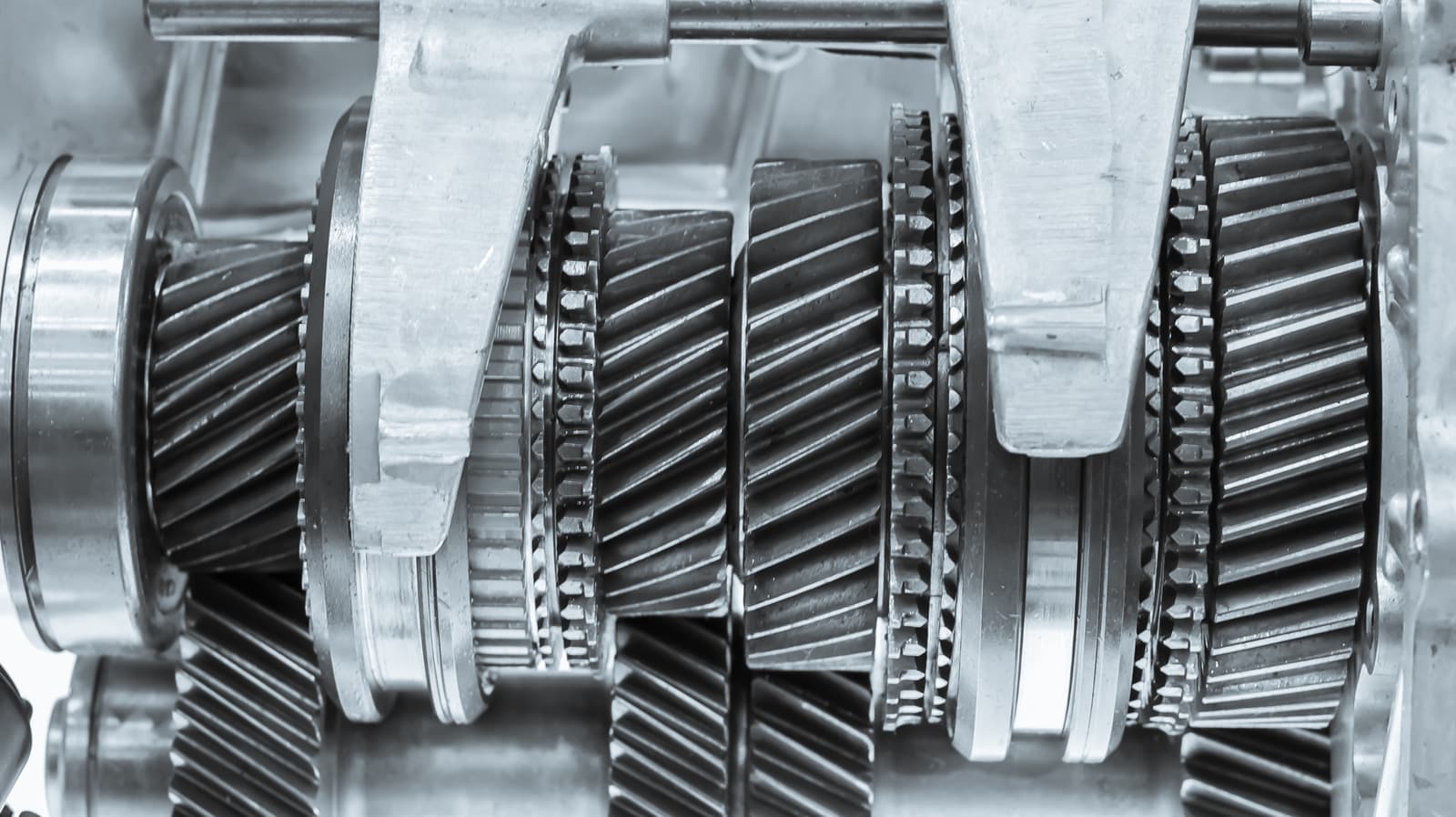
The Transmission Technology That Changed Driving Forever
If you have ever driven a modern manual car and simply pressed the clutch, selected a gear, and moved on without a second thought, you have synchromesh technology to thank. This ingenious engineering solution sits quietly inside every contemporary manual gearbox, making the act of shifting smooth, intuitive, and forgiving. Yet for much of automotive history, changing gears was a loud, skillful, and often frustrating affair. Understanding why synchromesh transmissions were so revolutionary requires a look back at what drivers had to endure before them.
The Dark Ages of Driving: Crash Box Gearboxes
Before synchromesh entered the picture, drivers had to contend with what was colorfully known as the "crash box." This early gearbox design required all moving parts inside the transmission to spin at precisely matching speeds before a gear could be engaged cleanly. If the speeds were off even slightly, the gears would grind, clash, and emit that unmistakable crunching sound — hence the name crash box.
Operating a crash box was not simply a matter of pressing a pedal and pulling a lever. Drivers needed to master a technique called double-clutching. This involved pressing the clutch, moving the gearstick into neutral, releasing the clutch, briefly revving or letting the engine settle to match the speed of the target gear, pressing the clutch again, and only then engaging the new gear. Do it wrong, and the gearbox would let you know in the most unpleasant mechanical terms possible. Damage to the transmission was a real and costly consequence of poor technique.
Professional drivers, truck operators, and automotive enthusiasts trained extensively to develop the muscle memory and ear for engine tone required to double-clutch effectively. It was a skill that separated experienced drivers from novices, and it made manual transmissions genuinely difficult for the average person to use.
Enter the Synchromesh: A Mechanical Masterstroke
The synchromesh mechanism was introduced commercially by Cadillac in 1929 and gradually spread across the automotive industry over the following decades. The core idea behind synchromesh is elegantly simple: rather than demanding that the driver manually match gear speeds, the transmission does the work automatically through friction-based synchronization rings.
Inside a synchromesh gearbox, each gear pairing is accompanied by a synchronizer ring — typically made from brass, carbon, or other friction-friendly materials. When the driver selects a new gear, this ring contacts the spinning gear and uses friction to bring both the gear and the layshaft up to matching rotational speeds before the engagement teeth lock together. The process happens in a fraction of a second, seamlessly and silently from the driver's perspective.
Key Components of a Synchromesh System
- Synchronizer rings: Cone-shaped friction surfaces that equalize rotational speeds between the gear and the shaft before engagement.
- Blocker rings: Prevent the gear teeth from engaging until synchronization is complete, protecting the gearbox from grinding.
- Hub and sleeve assembly: The central mechanism that physically connects the synchronized gear to the output shaft once speeds are matched.
- Detent springs and balls: Small components that provide tactile feedback and hold the selector in position during and after a shift.
Why This Was Such a Big Deal
The impact of synchromesh on everyday driving cannot be overstated. For the first time, ordinary drivers could operate a manual gearbox without years of practice or deep mechanical intuition. You could now "granny shift" — simply pressing the clutch and selecting the next gear at a comfortable pace — without fear of damaging expensive transmission components or stalling embarrassingly in traffic.
This democratization of the manual gearbox had enormous ripple effects. Automobile adoption accelerated as cars became more accessible to less experienced drivers. Driving schools no longer needed to dedicate substantial time to the art of double-clutching. Fleet operators found that vehicle maintenance costs dropped, since crash box damage from improper shifting was eliminated. The entire learning curve of driving was compressed and made far more approachable.
Beyond convenience, synchromesh also allowed automakers to design more complex, multi-ratio gearboxes. With the risk of gear clash removed, engineers could add additional forward gears, improving fuel efficiency and performance without punishing drivers for missing the perfect shift window. The five-speed, six-speed, and even seven-speed manual gearboxes found in modern performance cars owe their feasibility in part to the synchromesh foundation beneath them.
Synchromesh vs. Double-Clutching: Does the Old Technique Still Matter?
While modern drivers rarely need to double-clutch, the technique has not disappeared entirely. Competitive motorsport drivers, particularly in older racing machinery or heavy-duty truck applications, still use double-clutching deliberately. In high-performance situations, manually matching revs and speeds can produce faster, more precise shifts than relying on the synchronizer rings, which wear over time and under aggressive use.
Heel-and-toe shifting — a technique that combines braking, throttle blipping, and clutch operation simultaneously — is another skill rooted in the pre-synchromesh era that remains valuable in performance driving today. These methods give drivers more control and reduce wear on the synchro rings themselves.
However, for the vast majority of drivers on public roads, synchromesh handles everything beautifully behind the scenes. The rings quietly do their job thousands of times over the life of a vehicle, rarely demanding attention until they eventually wear thin and that familiar grinding sound returns as a reminder that nothing mechanical lasts forever.
The Legacy of Synchromesh in the Modern Era
Today, synchromesh technology is so deeply embedded in automotive design that most drivers never think about it. It has become an invisible backbone of the manual transmission experience, as fundamental and taken for granted as the clutch pedal itself. Even as automatic transmissions, dual-clutch gearboxes, and electric drivetrains grow in dominance, the manual cars that remain on the market all rely on the same synchronization principle that Cadillac pioneered nearly a century ago.
The story of synchromesh is ultimately a story about engineering empathy — designing a mechanical system that compensates for human imprecision rather than demanding perfection from the operator. It is a reminder that the most impactful innovations are not always the most visible ones. Sometimes, the most revolutionary technology is the kind that works so well you forget it exists at all.
Next time you drop your manual transmission car into second gear without a second thought, spare a moment to appreciate those small brass rings spinning faithfully inside your gearbox, doing the hard work so you never have to.