
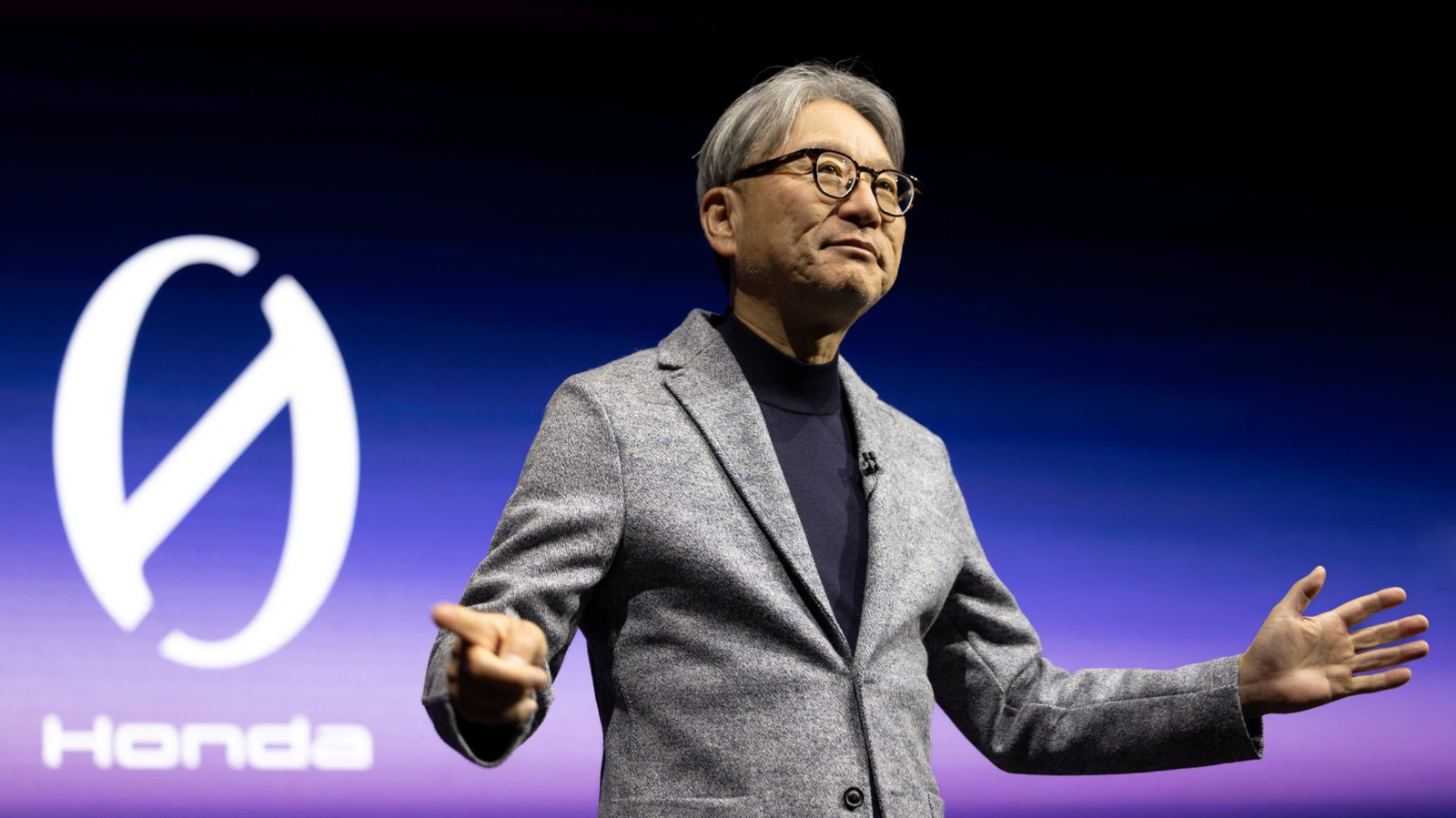
Honda's CEO Stands His Ground as EV Strategy Faces Heavy Criticism
In a dramatic corporate standoff that has captured the attention of the global automotive industry, Honda's Chief Executive Officer Toshihiro Mibe is refusing to step down despite mounting pressure from a group of influential former executives who have lost faith in his leadership. At the heart of the controversy is Honda's troubled electric vehicle rollout, which critics argue has been poorly planned, inadequately executed, and damaging to the company's long-term competitive position in an increasingly electrified automotive market.
Mibe has so far managed to weather the storm, drawing on the continued backing of Honda's sitting board of directors to hold his position. But the pressure campaign waged by these former heavyweights signals a deeper crisis of confidence within one of Japan's most storied automakers — and raises serious questions about whether Honda's current EV strategy is fit for purpose in a rapidly evolving industry.
Who Is Applying the Pressure — and Why It Matters
The figures pushing for Mibe's resignation are not mid-level critics or outside commentators. They are described as heavy-hitter former executives — individuals who built careers at Honda and carry enormous institutional knowledge, credibility, and influence within Japanese corporate circles. When leaders of that stature publicly or privately call for a sitting CEO to step aside, it is not a routine disagreement. It is a signal that something has gone seriously wrong.
Their central grievance appears to be Honda's electric vehicle rollout, which has been characterized in multiple industry reports as a strategic disaster. In a period when rivals like Toyota, Hyundai, General Motors, and a host of Chinese automakers have been accelerating their EV programs with competitive models, aggressive pricing, and improved battery technology, Honda has struggled to establish a credible presence in the EV market. The gap between Honda's ambitions and its on-the-ground results has drawn frustration from shareholders, analysts, and now, its own former leadership.
Honda's EV Strategy: A Troubled Road
Honda has not been silent about its electric ambitions. The company announced sweeping electrification goals and pledged to go fully electric by 2040. However, translating those ambitions into market-ready vehicles has proven far more difficult than anticipated. The automaker has faced challenges across multiple fronts, including:
- Software and technology delays that have pushed back the launch timelines of key EV models, leaving Honda with a thinner lineup than competitors in critical markets like North America and China.
- Struggles in the Chinese market, where domestic EV brands such as BYD, NIO, and Li Auto have rapidly seized market share that Honda once dominated with its internal combustion engine vehicles.
- Partnership complications with General Motors on co-developed affordable EVs that ultimately fell apart, forcing Honda to recalibrate its strategy at significant cost and delay.
- Consumer reception issues, with early Honda EV offerings receiving mixed reviews on range, charging infrastructure compatibility, and in-vehicle technology compared to more established EV players.
Taken together, these setbacks have made Honda's EV transition one of the more troubled among major global automakers, and they have provided the backdrop against which former executives have concluded that a change in leadership is necessary.
Why Mibe Still Has His Job
Despite the external pressure, Toshihiro Mibe retains the support of Honda's current board of directors — and in corporate governance terms, that is what matters most in the short run. Japanese corporate culture traditionally places significant weight on board consensus and orderly succession processes, making hostile or externally driven removals of sitting CEOs relatively rare. As long as the board stands behind Mibe, even a vocal coalition of former executives lacks the formal mechanism to force him out.
Mibe and his allies within Honda's leadership may also argue that abandoning the current EV strategy midstream — or changing its chief architect — would create additional instability at precisely the moment the company needs steady, committed direction. Pivoting EV strategy is enormously expensive and time-consuming, and replacing leadership during a critical transition period carries its own set of risks.
What This Means for Honda's Future
The standoff between Mibe and Honda's former executives is more than an internal personnel dispute. It reflects a broader strategic reckoning that Honda — and many traditional automakers — are facing as the EV transition accelerates globally. Companies that move too slowly risk being permanently displaced by more nimble competitors. Companies that move chaotically risk wasting billions in capital on poorly executed programs.
For Honda, the stakes are particularly high. The brand built its global reputation on engineering reliability and efficiency. Failing to translate those qualities into a compelling EV lineup threatens not just market share, but brand identity. Investors, dealers, and consumers are all watching closely to see whether Honda's leadership can right the ship.
The Pressure Is Far From Over
Even if Toshihiro Mibe survives this particular wave of pressure, the fundamental challenges facing Honda's EV program are not going away. Former executives speaking out publicly — or behind closed doors — tend to embolden other critics and draw media scrutiny that makes the board's position more difficult to maintain over time. If Honda's EV performance does not show meaningful improvement in the coming quarters, the pressure on Mibe is likely to intensify rather than subside.
For now, Honda's CEO remains in his seat, backed by the board and determined to see his electric vehicle vision through. But in an industry moving at historic speed, the margin for further stumbles is growing thinner by the day.