
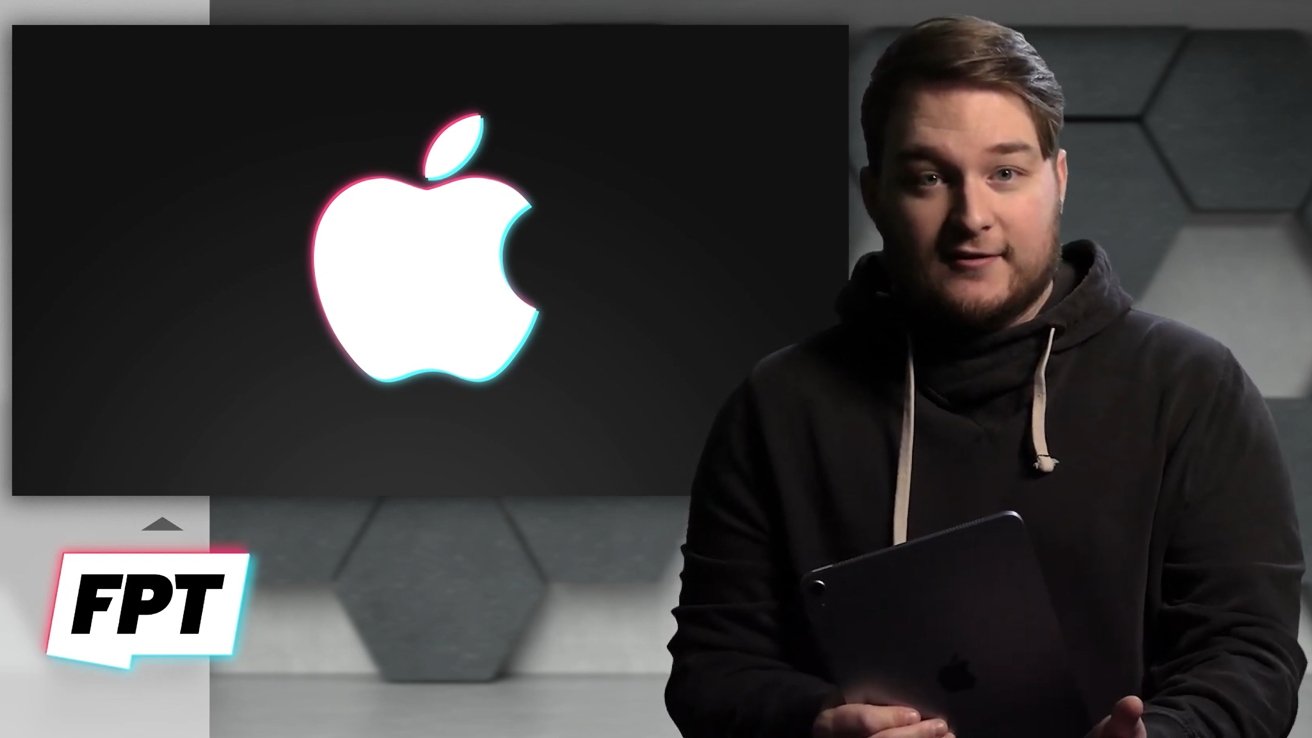
Jon Prosser's Apple Lawsuit Default Ruling Could Be Reversed
One of the most closely watched legal battles in the Apple community may be taking a significant new turn. Jon Prosser, the prominent Apple leaker known for his YouTube channel Front Page Tech, is potentially on the verge of having a default judgment against him reversed — and surprisingly, it may be Apple's own legal team that helps make it happen. Here's a full breakdown of how the lawsuit began, how Prosser ended up with a default ruling against him, and what might happen next.
How the Apple vs. Jon Prosser Lawsuit Began
To understand the significance of this development, it's important to revisit the origins of the case. In July 2025, Apple filed a lawsuit against Jon Prosser and a second individual named Michael Ramacciotti. The company alleged that the two conspired to steal confidential information about a pre-release version of iOS — information that was never meant to reach the public.
The lawsuit centers on an incident in which the alleged conspirators gained access to a test device belonging to an Apple employee named Ethan Lipnik. That device reportedly contained sensitive pre-release software, and the unauthorized access allegedly allowed Prosser and Ramacciotti to obtain and subsequently publish details about Apple's internal iOS development. The fallout was swift: Ethan Lipnik was fired following the incident, making him a casualty of what Apple is framing as deliberate corporate espionage and theft of trade secrets.
Apple has long been aggressive in protecting its intellectual property, particularly around pre-release products and software. The company has pursued legal action against leakers in the past, and this case represents another forceful step in that ongoing effort to keep its product development pipeline confidential.
Why Did Jon Prosser Receive a Default Judgment?
Here's where things got complicated — and frankly, unusual. When Apple filed its lawsuit in July 2025, Prosser did not respond to the legal complaint within the required timeframe. Ignoring or failing to respond to a lawsuit is legally perilous. In civil litigation, when a defendant does not answer a complaint, the court can enter what is known as a "default judgment," effectively ruling in favor of the plaintiff simply because the other side didn't show up.
That is precisely what happened. By October 2025, a default judgment had been entered against Prosser. At that stage, the case could theoretically have moved directly to a determination of damages, with no opportunity for Prosser to contest the underlying allegations. It was a significant legal setback — one that many observers found surprising given the severity and public nature of the lawsuit.
The reasons why Prosser initially failed to respond were not clearly disclosed, but the consequences were immediate and serious. Throughout the period following the default ruling, Prosser continued producing content about Apple on his YouTube channel, which struck many in the tech community as an unusual posture for someone facing an active legal judgment from one of the world's most powerful companies.
Prosser Begins Engaging With the Legal Process
More recently, the situation has evolved. Prosser has reportedly begun responding to court orders and, notably, has agreed to participate in the legal process going forward — including discovery and deposition. Discovery is a critical phase in litigation where both sides exchange relevant documents, evidence, and testimony. Agreeing to participate in this phase signals that Prosser is now taking the lawsuit seriously and intends to defend himself rather than continue ignoring the proceedings.
This shift in posture is legally meaningful. Courts look favorably on defendants who demonstrate a willingness to engage with due process, and participation in discovery after a default can sometimes be grounds for reconsidering a default judgment.
Apple's Lawyers Are Open to Reversing the Default Ruling
Perhaps the most striking development in this story is the stance of Apple's own legal team. According to reports, Apple's lawyers have indicated they are willing to allow the default ruling to be reversed — essentially giving Prosser another opportunity to formally contest the lawsuit — provided that a judge approves the move.
This might seem counterintuitive. Apple is the plaintiff. They filed the suit. Why would they agree to set aside an advantage already won in court? There are a few plausible reasons:
- Apple may want the case decided on its full merits rather than through a procedural default, which could be more vulnerable to appeal or challenge later.
- A full trial or settlement process forces Prosser to engage with discovery, potentially revealing more information about how the iOS leak occurred and who else may have been involved.
- Allowing the default to stand while Prosser now participates in the process could create procedural complications; a clean slate may be legally tidier for Apple's team.
- Apple's ultimate goal may be accountability and deterrence across the leaker community, and a judgment reached after full proceedings sends a stronger message than one won by default.
Whatever Apple's reasoning, the decision to not oppose a reversal of the default is a notable concession that could reset the legal dynamics of the case considerably.
What This Means for the Case Going Forward
If a judge approves the reversal of the default ruling, Prosser would essentially get a second chance to formally respond to Apple's allegations and present a legal defense. The case would proceed through standard litigation phases, including discovery, depositions, potential pre-trial motions, and possibly a trial or settlement.
For Prosser, this represents an opportunity he arguably should not have lost in the first place. For Apple, it likely means a longer road to resolution, but potentially a more durable legal outcome. And for the broader tech and Apple enthusiast community, this lawsuit remains a landmark case that will shape how leakers — and the companies they cover — navigate the boundaries of information sharing, confidentiality, and trade secret law.
The Bigger Picture: Apple's War on Leakers
The lawsuit against Prosser and Ramacciotti is not happening in a vacuum. Apple has historically been one of the most secretive companies in Silicon Valley, and it has pursued legal remedies against leakers and those who facilitate leaks on multiple occasions. The iOS 26 leak case, however, is particularly high-profile because it targets one of the most well-known figures in the Apple leaker community — someone with a large public following and a visible online presence.
The outcome of this case could set important precedents for how courts treat leakers who obtain information through alleged theft or unauthorized device access, as opposed to those who simply receive and publish tips voluntarily shared by insiders. As the legal process moves forward, all eyes in the tech world will be watching closely.