
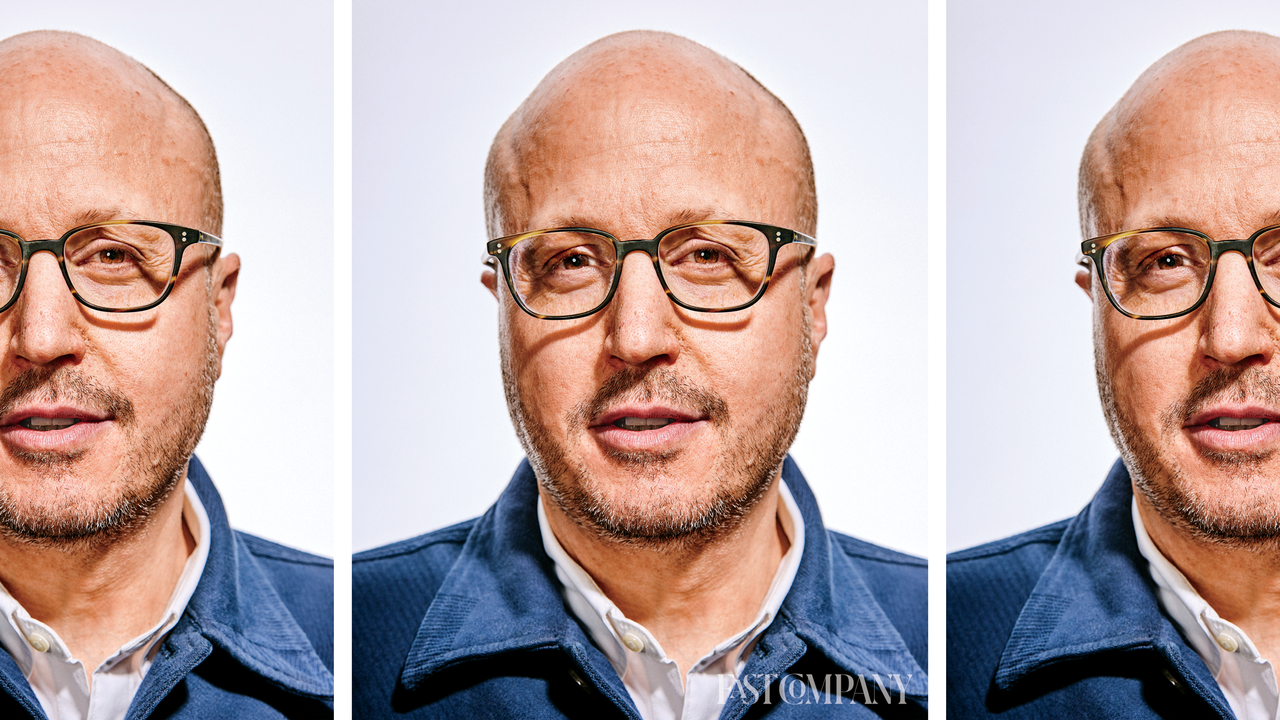
Roger Bennett and the Rise of American Soccer: A Cultural Tipping Point
There are moments in sports history when a country stops merely tolerating a game and starts truly owning it. Roger Bennett — British-born, Everton-loving, and deeply American by choice — believes that moment has arrived for soccer in the United States. And with the 2026 FIFA World Cup set to roll across 16 North American cities, he may be the most qualified person alive to make that argument.
Bennett sat down with Fast Company at their Manhattan offices in late March, just three months before the opening whistle of what many expect to be the most commercially significant World Cup in history. It was a rare window of calm before an enormous storm — one that Bennett has spent the better part of 15 years helping to create.
The Man With the Perfect Résumé
If you were to design a person from scratch to bridge the cultural gap between American audiences and the global game of soccer, you would probably end up with someone very much like Roger Bennett. Born and raised in Liverpool, he grew up as a passionate Everton supporter while simultaneously being captivated by American pop culture — the music, the television, the mythology of the place. That dual identity became the raw material for everything he would eventually build.
After moving to the United States following college, Bennett made the country his permanent home, eventually becoming a citizen. He documented that journey in his memoir, (Re)born in the USA, a book that is as much about cultural assimilation as it is about one man's love affair with two very different worlds. It is precisely that in-between perspective — neither fully British nor entirely American — that has made him such an effective evangelist for the sport.
How Men in Blazers Went From Podcast to Media Empire
In 2010, Bennett launched the Men in Blazers podcast on ESPN. The name was a deliberate, affectionate nod to the blazer-wearing tradition of broadcasters and pundits, and the show's tone was similarly playful — irreverent, deeply knowledgeable, and unapologetically eccentric. The timing was driven by a simple observation: almost no one in American sports journalism understood soccer, and almost none of them had any meaningful insight into the elite leagues of Europe where the sport's highest drama unfolds.
What started as a niche passion project has since grown into something far more substantial. Men in Blazers is now a full-scale independent media network with a television show on NBC, multiple documentaries, and live events that attract thousands of fans. The operation employs 97 full-time staff and has expanded to 15 additional podcasts covering various aspects of the soccer world. Brand partnerships with major companies — including Marriott, Michelob Ultra, Visa, and Unilever — reflect both the network's reach and the growing appetite among advertisers to connect with soccer's increasingly affluent and engaged American fan base.
In 2025, Men in Blazers raised $15 million in a Series A funding round, a clear signal that investors see significant upside ahead of the World Cup. That infusion of capital is being used to expand coverage, deepen storytelling, and position the network as a central voice in what Bennett believes will be a landmark moment for the sport in America.
The 2026 World Cup as a Cultural Catalyst
The 2026 FIFA World Cup is not just a sporting event. For Bennett and many others in the soccer ecosystem, it represents a genuine inflection point in the long, complicated, and often frustrating story of soccer's quest for mainstream acceptance in the United States. Sixteen host cities across the U.S., Canada, and Mexico will welcome teams and supporters from around the world, bringing a level of sustained, nationwide attention to the game that no previous tournament has managed.
Bennett has been preparing for this moment for years. His conversation with Fast Company touched on the unique way Men in Blazers works with brand partners — treating them not as sponsors to be tolerated but as collaborators in storytelling. The network's approach to brand integration has become a model worth studying, built on authenticity and genuine enthusiasm rather than the transactional energy that makes so much sports advertising feel hollow.
The Tensions of Americanization
Not every dimension of this story is straightforward, and Bennett does not pretend otherwise. The conversation with Fast Company also explored the inherent tensions in what happens when America fully embraces the world's most popular sport. Soccer has a global identity, a set of traditions, a culture built over more than a century on every inhabited continent. What does it mean when the United States — with all of its commercial power, its media infrastructure, and its tendency to reshape whatever it touches — decides to make soccer its own?
These are questions without easy answers, and Bennett, to his credit, engages with them seriously. He is not a cheerleader operating in denial of complexity. He is someone who loves both worlds enough to hold the tension honestly.
Why This Moment Matters for Soccer Fans Everywhere
The growth of Men in Blazers is not just a business story — it tracks, almost perfectly, the growth of soccer in America itself. When the podcast launched in 2010, the idea that a soccer media company could raise $15 million in venture funding would have seemed far-fetched. Today, it is simply the logical next step in a trajectory that has been building for years through the expansion of Major League Soccer, the explosion of Premier League viewership, and the arrival of generational talents on American shores.
Roger Bennett did not create this moment on his own, but he has done as much as anyone to shape the cultural conditions that made it possible. As the 2026 World Cup approaches, his belief that we are entering the American century of soccer feels less like a prediction and more like a statement of the obvious — one that the rest of the world is only beginning to process.