
The Forgotten GM Luxury Coupe That Deserves a Second Look
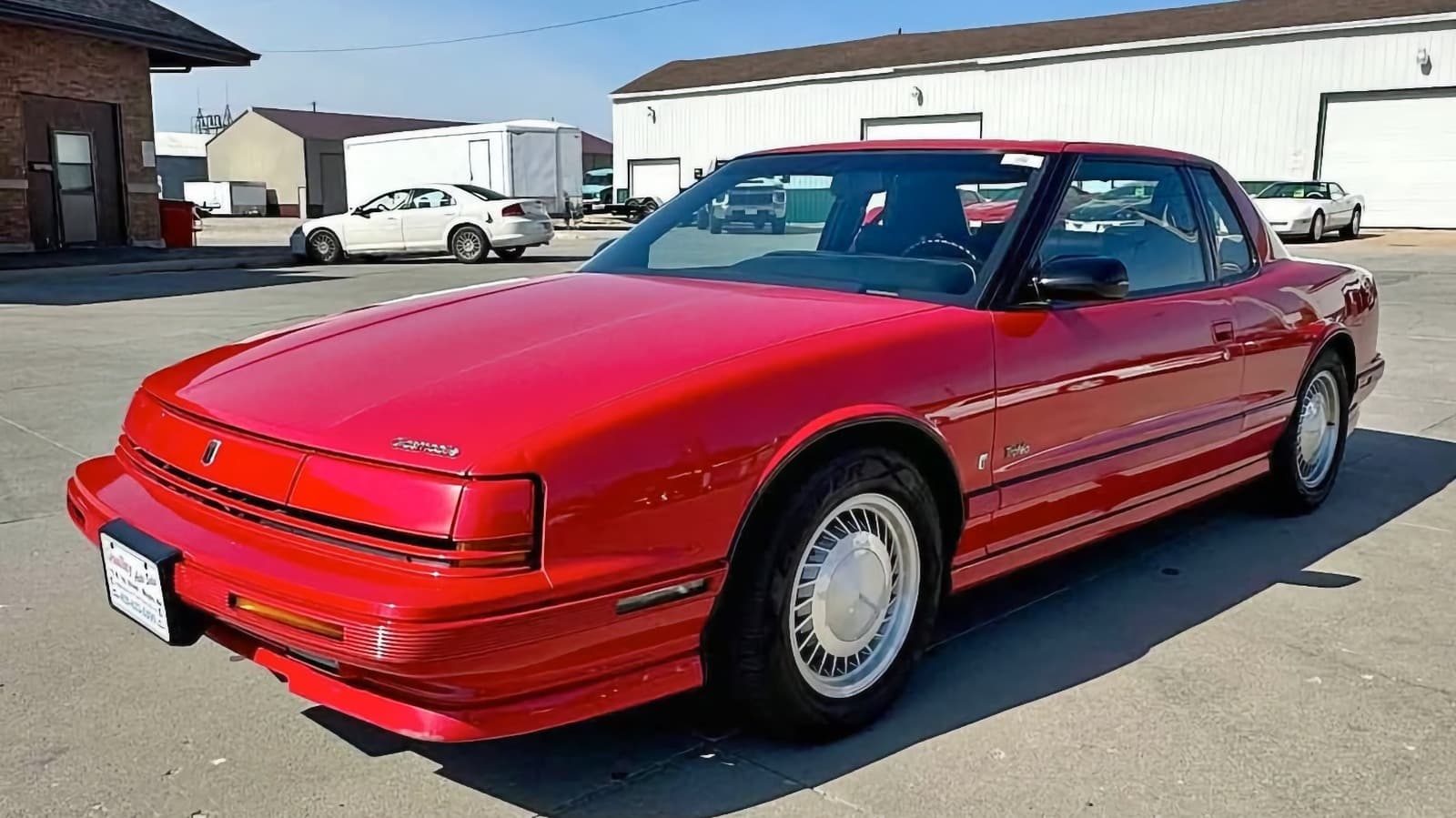
In the grand theater of American automotive history, some cars take a bow and exit stage left before anyone truly appreciates what they had to offer. The Oldsmobile Troféo — the sporty, tech-laden variant of the Toronado — is exactly that kind of car. Once dismissed as an awkward relic of late-1980s excess, a clean 1990 example has recently surfaced on the used market with an asking price of $9,995. The question worth asking today: has the time finally come for this overlooked Oldsmobile?
What Exactly Is the Oldsmobile Troféo?
Before passing judgment, it helps to understand what the Troféo actually was. Introduced for the 1987 model year as a sportier, more performance-focused trim of the Oldsmobile Toronado, the Troféo was General Motors' attempt to compete directly with European personal luxury coupes. The name itself — styled with an accent mark to give it a continental flair — signaled that Oldsmobile was aiming for something a bit more upscale than its typical lineup.
The 1990 model year sat near the end of this generation's production run, which wrapped up in 1992 when the Toronado nameplate was finally retired. By that point, the Troféo had evolved into a genuinely refined machine, shedding some of the earlier model's rough edges and benefiting from incremental refinements across its production life.
What You Get Under the Hood and Inside the Cabin
Power in the 1990 Troféo came from a 3.8-liter V6 engine producing around 165 horsepower, mated to a four-speed automatic transmission sending power to the front wheels via Oldsmobile's long-running front-wheel-drive layout. While those numbers may sound modest by today's standards, the Troféo was never positioned as a muscle car. It was a grand tourer — a vehicle designed for comfort, style, and effortless highway cruising.
Inside is where the Troféo really made its case. The cabin featured one of GM's most technologically ambitious interiors of the era, including the Driver Information Center, which displayed a staggering array of vehicle data on digital readouts. Leather seating, power everything, and a genuinely premium feel throughout made this a legitimately luxurious place to spend time. For 1990, the technology on offer was genuinely impressive — this was not your average American domestic coupe.
Why the Troféo Was Overlooked — And Why That's Changing
The Troféo's reputation suffered for several interconnected reasons. First, Oldsmobile itself was in decline during this period, struggling to define its identity within GM's increasingly crowded brand hierarchy. Second, the car's front-wheel-drive layout and relatively modest power output made it an awkward fit in an era when rear-wheel-drive performance coupes were capturing enthusiast attention. Third — and perhaps most critically — it was simply ignored by the automotive press at the time in favor of flashier imports.
Today, however, the calculus has shifted. The collector car market has spent the last decade rediscovering neglected domestic vehicles from the 1980s and early 1990s, and the Troféo checks several boxes that modern buyers find appealing:
- Genuinely rare — production numbers were modest, and survivors are increasingly scarce
- Visually distinctive — the sleek, wedge-shaped coupe body still turns heads three decades later
- Historically significant — it represents a bold, if imperfect, technological swing from GM at a pivotal moment
- Affordable — clean examples remain accessible compared to more celebrated contemporaries
Is $9,995 a Fair Price for This 1990 Example?
Pricing a Troféo is genuinely tricky because the market for these cars is thin. Values have been creeping upward as awareness grows, but the pool of comparable sales remains small. At $9,995, this particular example sits in a range that feels appropriate for a clean, well-preserved survivor — provided the mechanicals are honest and the notorious GM digital electronics are functioning correctly.
That last point deserves emphasis. The Troféo's complex electronic systems were cutting-edge for 1990, which also means they were pioneering in terms of potential failure modes. A thorough pre-purchase inspection by a mechanic familiar with late-era GM products is not optional here — it is essential. Pay particular attention to the Touch Control Driver Information System, the electronic climate control, and the condition of the suspension components, which can be costly to refresh.
Key Things to Inspect Before Buying
- Digital instrument cluster and Driver Information Center functionality
- Electronic climate control operation
- Transmission behavior under normal and hard acceleration
- Rust around the wheel arches, rocker panels, and rear quarters
- Condition of the leather interior, which can crack and fade with age
- Service history for the 3.8-liter V6, including cooling system maintenance
The Bigger Picture: Buying a Troféo as a Collector Car
If you approach the 1990 Oldsmobile Troféo purely as a driver — something to enjoy on weekend cruises and the occasional long highway run — $9,995 can represent solid value for the right buyer. The car offers an experience that no modern vehicle can replicate: the specific texture of late-1980s American luxury, complete with velour-soft road manners, the quiet hum of a well-tuned pushrod V6, and the peculiar joy of navigating a genuinely enormous front-wheel-drive coupe.
As a speculative investment, the Troféo is a longer game. Values are moving, but slowly. The appreciation curve will likely steepen as more enthusiasts from the era that produced these cars reach peak collecting age over the next decade. A clean, well-documented example purchased today at a reasonable price could look quite attractive in ten years.
Verdict: A Prize Package With Fine Print
The 1990 Oldsmobile Troféo at $9,995 is a legitimate opportunity — but not a simple one. It rewards buyers who go in with clear eyes, a budget for potential electronic repairs, and a genuine appreciation for what the car represents. This is not a vehicle for someone seeking the path of least resistance in classic car ownership. It is, however, a genuinely compelling piece of American automotive history that has been undervalued for far too long. For the right enthusiast, that makes it something very close to a prize package indeed.