
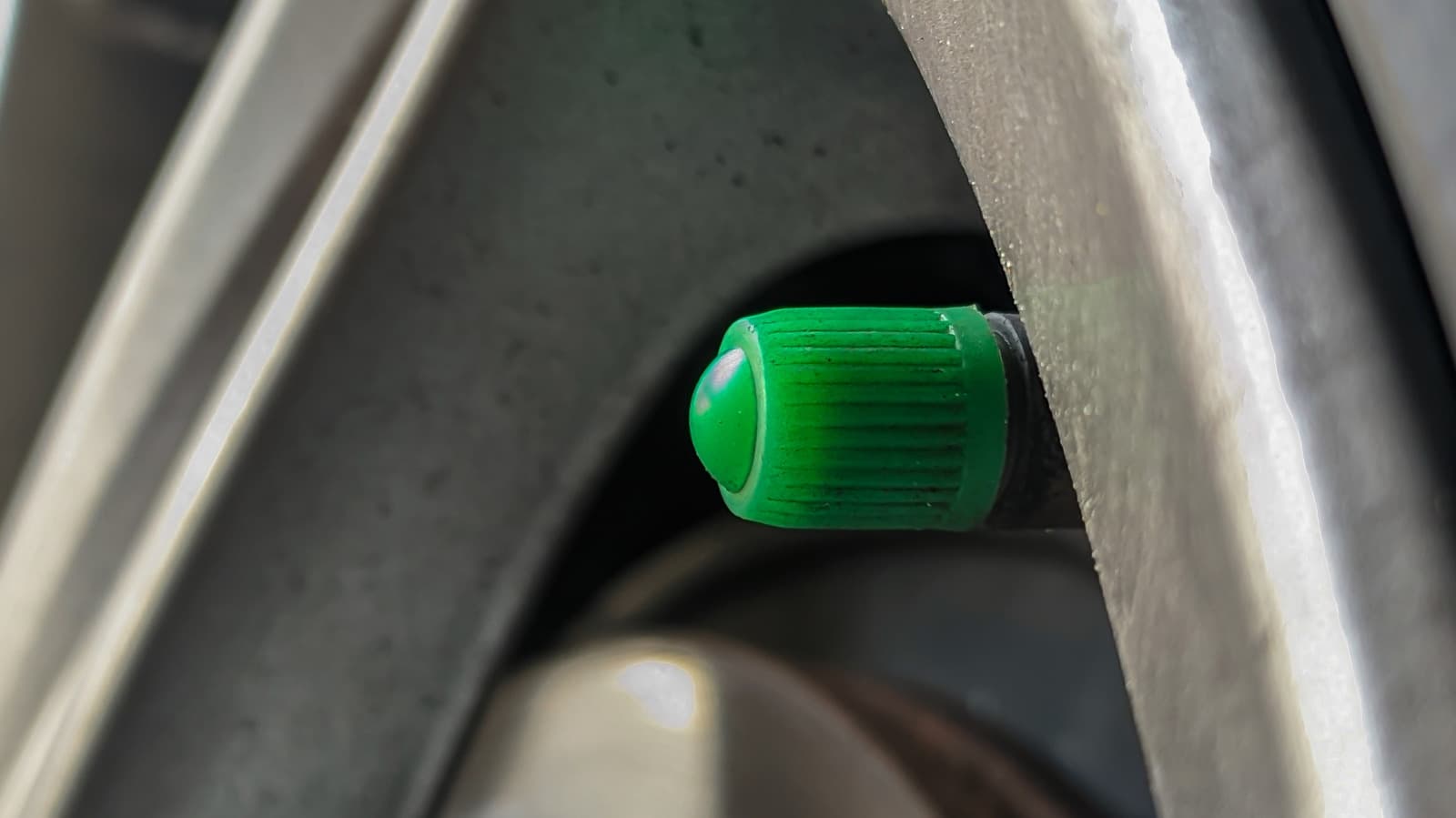
What Does a Green Cap on a Car Tire Valve Mean?
If you've ever picked up your car from a tire shop and noticed that the valve stem caps have been swapped out for green ones, don't panic — the shop didn't lose your originals and replace them with whatever was lying around. That small green cap is actually a universally recognized signal in the automotive world. It means your tires have been inflated with nitrogen gas instead of regular compressed air. It's a simple but important indicator, and understanding what it means can help you make smarter decisions about your tire maintenance going forward.
Why Nitrogen Instead of Regular Air?
Standard compressed air is roughly 78% nitrogen already, so you might be wondering why anyone bothers separating and using pure nitrogen at all. The difference comes down to the other components in regular air — primarily oxygen, water vapor, and other trace gases. These elements can cause problems inside your tires over time, and that's exactly what nitrogen inflation aims to eliminate.
Tire shops, dealerships, and service centers that offer nitrogen inflation use green valve caps as a quick visual identifier. Anyone who services the car afterward — whether it's a mechanic, a gas station attendant, or the car owner — can immediately tell that the tires contain nitrogen and should ideally be topped off with nitrogen rather than regular air.
The Benefits of Nitrogen-Filled Tires
Proponents of nitrogen inflation point to several practical advantages over standard air. While some of these benefits are modest in everyday driving conditions, they are well-documented and genuinely valued in specific applications.
More Stable Tire Pressure
One of the most frequently cited benefits is that nitrogen maintains tire pressure more consistently than regular air, particularly as temperatures fluctuate. Oxygen molecules are smaller and more reactive than nitrogen molecules, which means they permeate through rubber tire walls more readily over time. Nitrogen leaks out more slowly, helping your tires hold their pressure longer between checks. For drivers who don't frequently inspect their tire pressure, this can be a meaningful advantage.
Reduced Moisture Inside the Tire
Regular compressed air often contains moisture and water vapor. Inside a hot, spinning tire, that moisture can accelerate corrosion on metal wheel rims and affect how consistently the tire responds to temperature changes. Pure nitrogen is dry, which eliminates this problem entirely. Over years of use, this can help preserve both the tire and the wheel rim in better condition.
Improved Fuel Efficiency (Marginally)
Properly inflated tires reduce rolling resistance, which contributes to better fuel economy. Because nitrogen helps tires maintain their pressure more consistently, there's a slightly higher likelihood that your tires will stay at the correct PSI between fill-ups — indirectly supporting better mileage. The effect is modest for most passenger vehicles, but it's a real, if small, advantage.
Longer Tire Life
Tires that consistently run at the correct pressure wear more evenly across the tread. Since nitrogen-filled tires hold pressure longer, they may experience less uneven wear over time. Again, the benefit is incremental for the average driver, but it adds up over the life of the tire.
Who Uses Nitrogen in Tires?
Nitrogen inflation isn't just a trendy upsell at the tire shop. It has serious, well-established applications across several industries:
- Commercial aviation: Aircraft tires are filled with nitrogen because the extreme temperature swings during takeoff, landing, and high-altitude flight make pressure stability critical. Oxygen-filled tires could also pose a combustion risk in such high-heat environments.
- Motorsports: Racing teams use nitrogen in tires because consistent pressure translates directly to consistent handling. Even small PSI variations can affect lap times and vehicle behavior at high speeds.
- Heavy commercial vehicles: Long-haul trucking fleets often use nitrogen because maintaining consistent tire pressure across thousands of miles reduces blowout risk and extends tire life at scale.
- Passenger vehicles: Many dealerships and tire retailers now offer nitrogen inflation as a premium service for everyday cars, and its use has grown steadily among regular drivers.
Is Nitrogen Worth It for Your Car?
This is where the conversation gets more nuanced. For the average driver, the real-world difference between nitrogen and air is relatively small. Most automotive experts agree that simply checking and maintaining the correct tire pressure regularly — regardless of whether your tires contain nitrogen or air — delivers most of the same benefits. Proper inflation is far more important than what gas is doing the inflating.
That said, nitrogen does offer legitimate advantages, and if your car already has it (as indicated by those green caps), there's no reason to switch back to air. The key thing to remember is that if you need to top off a nitrogen-filled tire in a pinch — at a gas station, for example — it's perfectly safe to add regular air. You'll dilute the nitrogen concentration, but you won't damage anything. Ideally, you'd seek out a shop with nitrogen equipment to restore the purity, but it's not an emergency.
How to Maintain Nitrogen-Filled Tires
Maintaining nitrogen-filled tires follows the same basic principles as any tire maintenance routine, with a few small differences to keep in mind:
- Check tire pressure monthly, even though nitrogen holds pressure better. Temperature changes still affect PSI, especially between summer and winter months.
- When topping off, seek a shop that offers nitrogen inflation to maintain the purity of the gas in your tires.
- Keep those green caps in place. They serve as a communication tool for anyone who works on your car. If a cap goes missing, replace it with a green one to preserve the signal.
- Have your tires inspected for leaks just as you normally would. Nitrogen slows pressure loss but doesn't prevent punctures or valve stem failures.
The Bottom Line
A green valve stem cap is a small but meaningful detail. It tells you — and anyone else who works on your vehicle — that your tires contain nitrogen rather than regular compressed air. While the benefits of nitrogen inflation are real, they are most pronounced in high-performance, commercial, or aviation contexts. For everyday drivers, the greatest tire-related benefit you can provide your car is simply keeping the tires inflated to the manufacturer's recommended PSI and having them inspected regularly. Whether those tires are filled with nitrogen or air, proper inflation is always the most important factor in safety, performance, and tire longevity.
So the next time you spot those little green caps, you'll know exactly what they mean — and you'll have a complete picture of why they're there.