
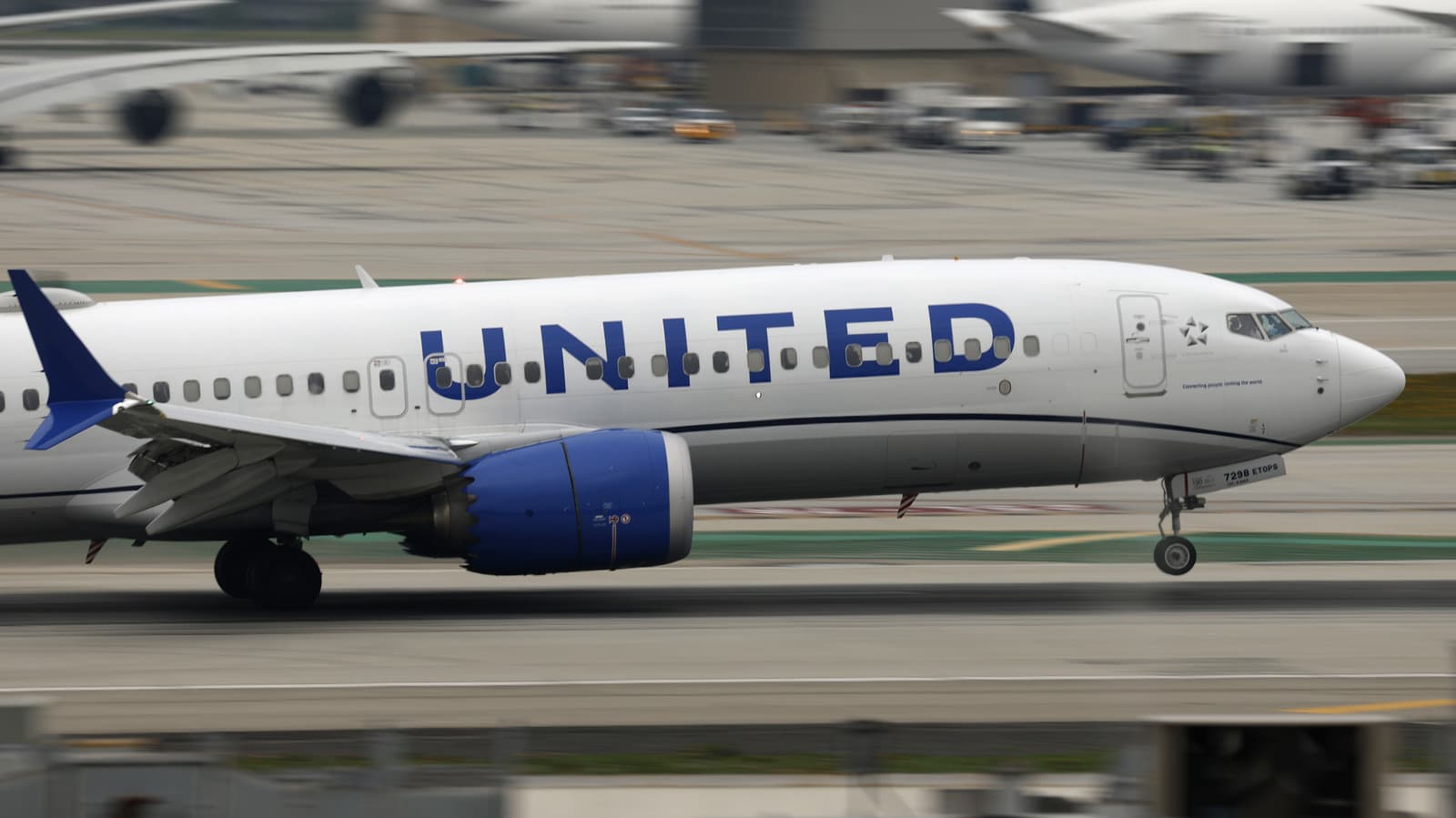
United Airlines Strands World Cup Commentary Team Over 200 Miles From Their Destination at 3 AM
Logistics are hard. That's a phrase most seasoned travelers have muttered under their breath at some point — usually while staring at a departure board full of red text, luggage in hand, miles from where they need to be. But for a World Cup commentary team that found themselves stranded by United Airlines, those two words took on a whole new meaning at three o'clock in the morning, with their broadcast window closing fast.
The incident has quickly become one of the more striking airline travel horror stories to emerge during the busy 2026 FIFA World Cup travel season, drawing attention not just because of the inconvenience involved, but because of who was affected and what was at stake. When a professional broadcast crew can't get to the stadium they're supposed to be calling play-by-play from, something has gone seriously wrong in the travel planning chain — and United Airlines appears to be squarely at the center of it.
What Happened to the World Cup Commentary Team?
According to reports, a World Cup commentary team — the kind of professionals responsible for bringing the game to millions of viewers at home — found themselves deposited by United Airlines at a location more than 200 miles away from their intended destination. This didn't happen at a reasonable hour when taxis, rental cars, and shuttle buses are plentiful. It happened at 3 AM, when options are scarce, tempers are short, and the clock is very much ticking.
The details paint a vivid picture of how badly airline mismanagement can cascade into a genuine crisis. A commentary team doesn't travel for leisure — they travel with equipment, with tight broadcast schedules, and with the understanding that their presence at a specific location at a specific time is non-negotiable. Missing a call time for a World Cup match isn't like missing a dinner reservation. The consequences ripple outward to broadcasters, networks, advertisers, and ultimately the fans watching at home.
While the full operational breakdown that led to this situation has not been comprehensively detailed, the broad strokes are damning enough: passengers who needed to be somewhere specific were instead dropped somewhere entirely different, in the middle of the night, with over 200 miles of ground left to cover on their own.
Why Airline Travel During Major Sporting Events Is So Vulnerable
The FIFA World Cup is one of the largest logistical events on the planet. Millions of fans, journalists, broadcasters, staff, and officials descend on host cities over the course of weeks, overwhelming transportation infrastructure in ways that even the best-run airlines struggle to manage. Flights fill up months in advance. Crew scheduling becomes a puzzle with too many pieces. Weather delays in one city create cascading cancellations across entire networks.
For major airlines like United, the World Cup represents a massive surge in demand — and a massive opportunity for things to go wrong. When flights are diverted, cancelled, or rerouted, the ripple effects hit the passengers with the least flexibility the hardest. A leisure traveler who gets dropped at the wrong airport has options. A broadcast professional with a live television commitment in six hours does not.
- Oversold flights routinely lead to last-minute rebooking that lands passengers at alternative airports far from their destination.
- Equipment substitutions can reduce available seats, triggering involuntary displacement of passengers.
- Weather diversions sometimes leave planes landing at airports that are geographically convenient for the aircraft but not for the people on board.
- Crew rest regulations can ground a flight mid-journey if a crew hits their legally mandated rest limits, leaving passengers stranded wherever the plane happens to land.
Any one of these scenarios playing out at 3 AM — far from home, far from the destination, and far from help — is a nightmare. For a World Cup commentary team, it's a potential broadcast disaster.
United Airlines and Its History With Passenger Disruptions
United Airlines has faced public scrutiny over passenger treatment on multiple high-profile occasions in recent years. The airline has worked to rebuild its reputation through improved customer service initiatives and operational investments, but incidents like this one serve as reminders that even the largest carriers are not immune to catastrophic individual failures.
What distinguishes this particular story is its timing and its victims. The World Cup is a globally watched event, and the people stranded were not ordinary vacationers — they were professionals whose job it was to serve the public. Their plight resonated widely precisely because it illustrated the human cost of airline operational failure in such a concrete and relatable way.
What Travelers Can Do to Protect Themselves During Major Events
While no traveler can fully insulate themselves from the kind of systemic failure that apparently affected this commentary team, there are practical steps that can reduce risk — especially during high-traffic travel periods like the World Cup.
- Book early morning flights when possible, as these are statistically less likely to face cascading delays from earlier disruptions in the day.
- Build buffer time into your itinerary — particularly for professional or time-sensitive travel obligations. Arriving a day early is far cheaper than missing a broadcast.
- Know your rights as a passenger. In the United States, the Department of Transportation sets rules around involuntary denied boarding compensation. Passengers who are bumped or rerouted against their will may be entitled to cash compensation.
- Travel with travel insurance that specifically covers trip interruption, missed connections, and emergency transportation — policies that can cover the cost of a 200-mile car service at 3 AM if the alternative is missing a critical commitment.
- Use airline credit cards that offer trip delay protection, which can reimburse meals, hotels, and alternate transportation when flights go sideways.
The Bigger Picture: Airline Accountability in the Spotlight
Stories like this one matter beyond the immediate inconvenience they represent. They contribute to an ongoing and important public conversation about airline accountability, passenger rights, and what travelers can reasonably expect when they hand over hundreds or thousands of dollars for a ticket to a specific destination.
Being dropped 200 miles from your destination at 3 AM is not a minor hiccup. It is a fundamental failure of the service an airline is contractually obligated to provide. Whether the fault lies in scheduling, aircraft routing, crew management, or some combination of all three, the outcome for the passengers is the same: stranded, exhausted, and scrambling to reach a destination they were promised hours ago.
For the World Cup commentary team at the center of this story, the night almost certainly involved frantic phone calls, emergency car rentals or ride-shares, and a desperate race against the clock to make it to the venue in time. Whether they made it — and what United Airlines offered by way of apology or compensation — remains a question worth following. But the incident itself stands as a sharp reminder that for all the loyalty points and frequent flier miles in the world, when the system breaks down, it's the passenger who pays the price.