
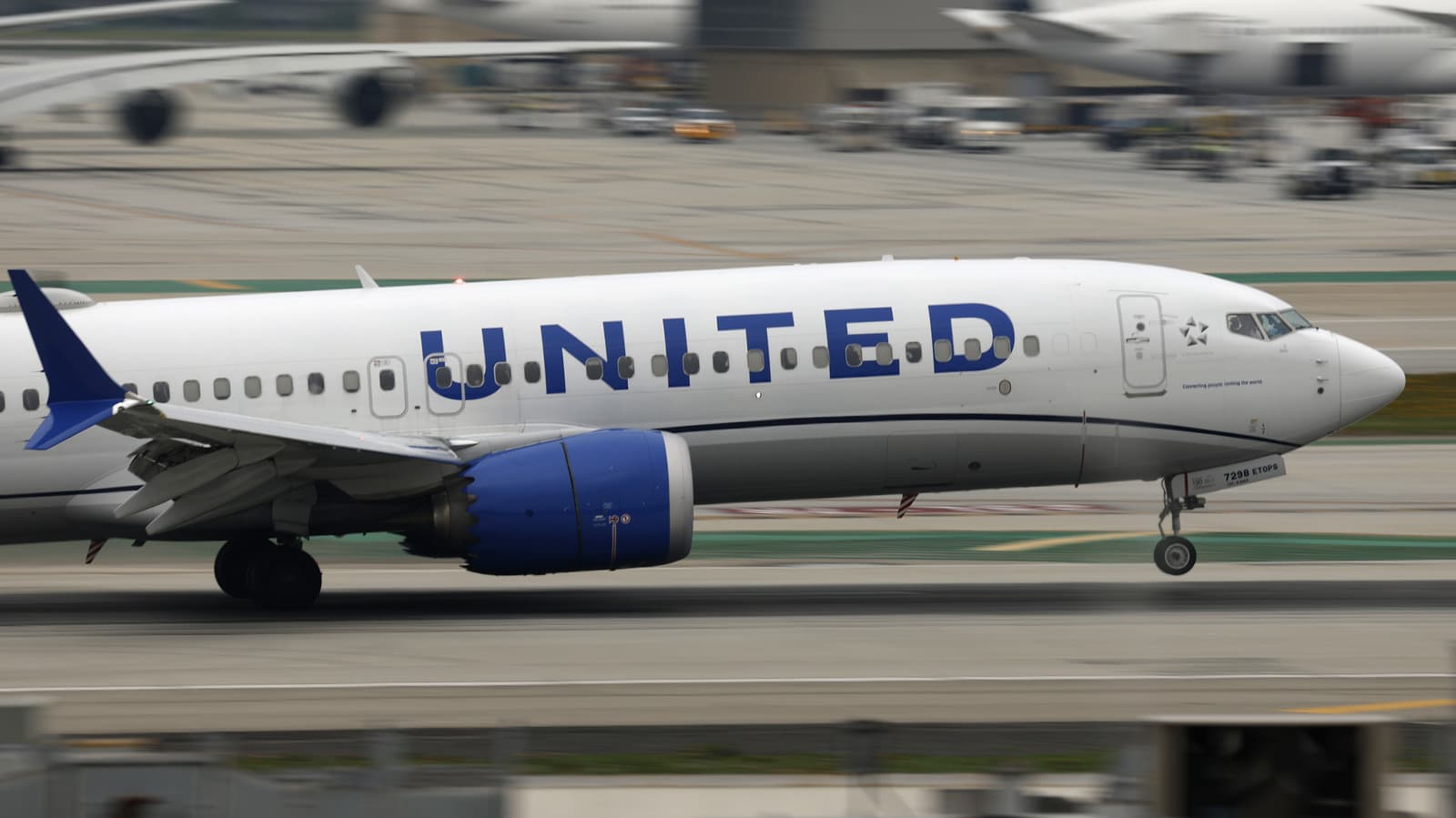
United Airlines Leaves World Cup Commentary Team Stranded Over 200 Miles Away at 3 AM
Covering a major international sporting event like the FIFA World Cup is no small logistical feat. Broadcast crews, commentators, and media personnel must coordinate flights, hotels, equipment shipments, and tight production schedules across multiple host cities — sometimes on the same day. That's exactly why what happened to one World Cup commentary team at the hands of United Airlines is so infuriating, and so telling of the ongoing reliability crisis plaguing American air travel.
According to a report from Jalopnik, United Airlines stranded a World Cup commentary team more than 200 miles from their intended destination — at 3 AM. Instead of arriving at their broadcast location ready to work, they were left to scramble for alternative transportation in the middle of the night, with cameras, equipment, and professional obligations waiting on the other end.
What Exactly Happened?
Details from the source are still emerging, but the core facts paint a familiar and frustrating picture for anyone who has dealt with a major U.S. carrier during a high-demand travel period. The commentary team, presumably traveling to cover a World Cup match or broadcast segment, found themselves deposited at an airport nowhere near their destination city — a situation that would be problematic at any hour, but becomes a genuine crisis at 3 o'clock in the morning.
A 200-mile displacement is not a minor inconvenience. That's roughly the distance between Los Angeles and San Diego — or Washington, D.C. and New York City. Ground transportation at that distance, in the dead of night, can easily take three to four hours depending on the route, not to mention the cost and the difficulty of sourcing a ride when most local transportation options are shut down or severely limited.
For a professional broadcast team with an on-air commitment, those lost hours can be the difference between making it to the desk and missing an entire segment — or worse, an entire match.
A Pattern of Airline Mismanagement During Major Sporting Events
This incident didn't happen in a vacuum. The FIFA World Cup — especially editions hosted across multiple cities in the United States, Canada, and Mexico — generates an enormous surge in air travel demand. Airlines know this months, sometimes years, in advance. Yet time and again, carriers like United Airlines fail to adequately prepare for the surge, leaving passengers, including high-profile media professionals, in impossible situations.
The problems typically stem from a combination of factors:
- Overbooking and misrouted itineraries that place passengers on indirect routes with tight connections they were never realistically going to make.
- Equipment and crew shortages that cascade into delays and diversions, often dumping passengers at alternate airports without a clear plan for getting them to their final destination.
- Poor communication from airline staff, who frequently lack the authority or information to offer stranded passengers meaningful assistance in the moment.
- Inadequate hotel and ground transportation vouchers, which are often either unavailable or laughably insufficient to cover the actual cost of an unexpected overnight stay.
When these failures happen to ordinary travelers, they are deeply stressful. When they happen to on-air talent who have a live broadcast obligation, the consequences ripple outward to employers, networks, and audiences who tuned in expecting professional coverage.
What Rights Do Stranded Passengers Have?
Many travelers don't realize they have meaningful rights when an airline significantly disrupts their journey — particularly in the United States, where the Department of Transportation has been pushing carriers toward greater accountability in recent years.
If an airline causes you to miss your destination or diverts your flight, you may be entitled to a full refund, even on non-refundable tickets, if the disruption is significant enough. The DOT defines a "significant change" as a delay of three or more hours for domestic flights, or six or more hours for international ones. Being dropped 200 miles from your destination almost certainly qualifies.
Beyond refunds, passengers stranded due to airline-caused disruptions may also be entitled to meal vouchers, hotel accommodations, and ground transportation assistance — though in practice, getting airlines to deliver on these obligations in the moment can be a fight. Documentation is key: take screenshots of notifications, keep all receipts for alternative transportation and lodging, and file a formal complaint with the DOT if the airline fails to make you whole.
Lessons for Travelers Heading to High-Demand Events
The World Cup commentary team's ordeal is a cautionary tale for anyone flying to a major event where timing is non-negotiable. A few protective strategies can make a real difference:
- Book direct flights whenever possible. Every connection is a potential failure point. Non-stop routes eliminate the most common cause of missed destinations.
- Travel a day early if the stakes are high. Building a buffer day into your schedule is insurance against exactly this kind of overnight disaster.
- Use a travel credit card with trip interruption coverage. Many premium travel cards reimburse costs associated with significant delays or diversions, including hotels and ground transportation.
- Know your airline's contract of carriage. This document, while dense, outlines exactly what the airline owes you when things go wrong — and knowing it puts you in a stronger position when negotiating at the gate.
The Bigger Picture: American Airlines and the Trust Deficit
United Airlines, like its major domestic competitors, has spent years rebuilding passenger trust following the chaos of the COVID-19 pandemic, when reduced staffing levels and pent-up travel demand created a perfect storm of cancellations and delays. While operational performance has improved in some measurable ways, incidents like this one — a World Cup commentary team left in the dark, literally and figuratively, over 200 miles from where they needed to be — serve as stark reminders that the work is far from done.
Logistics are hard, as Jalopnik dryly noted. But for carriers charging premium fares and promising professional service, hard is not an excuse. Passengers — and especially professional travelers with real, time-sensitive obligations — deserve better than a 3 AM scramble hundreds of miles from their destination. Until airlines are held to a consistently higher standard, stories like this will keep coming.