
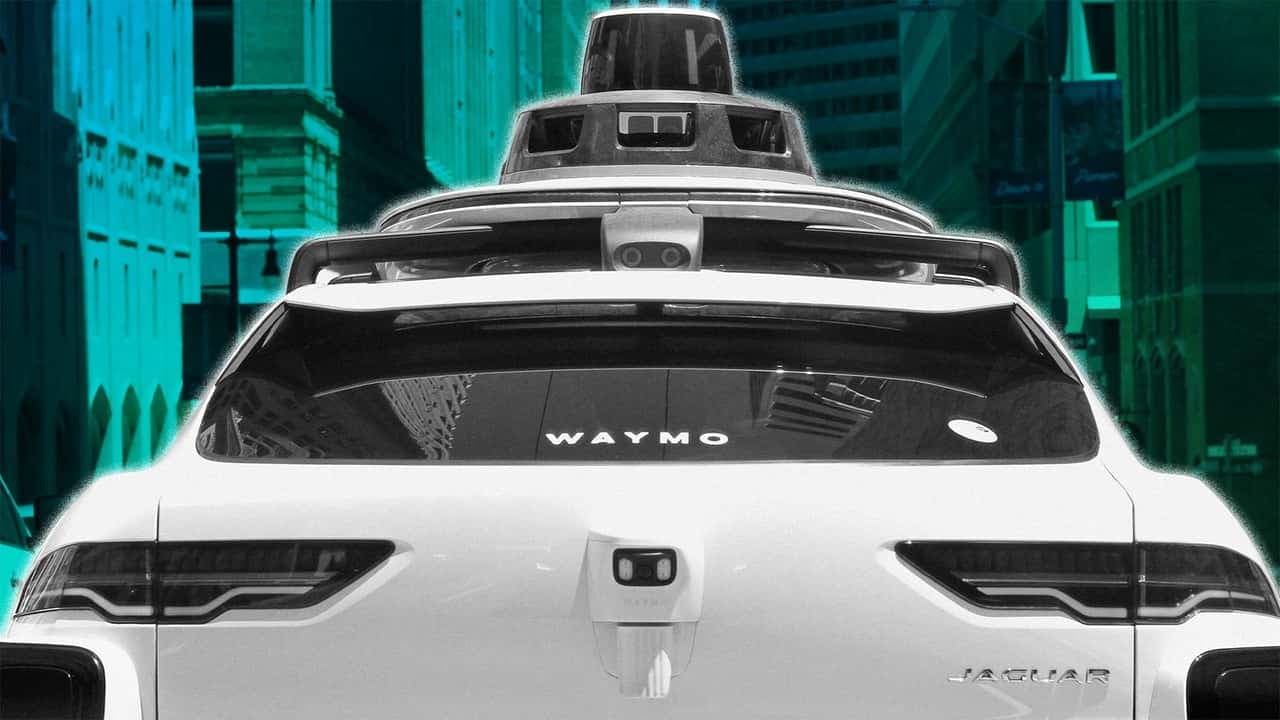
Waymo Issues Second Robotaxi Recall in Two Months Over Construction Zone Safety Risk
Waymo, the autonomous vehicle subsidiary of Alphabet and one of the most prominent names in the self-driving car industry, has issued another recall affecting its fleet of robotaxis. This latest safety action was triggered by a software flaw that could cause the vehicles to drive into closed highway construction lanes — a potentially dangerous situation for both passengers and road workers. Perhaps most striking is the timing: this is the second recall Waymo has issued in just two months, raising fresh questions about the reliability and readiness of fully autonomous vehicles for widespread public deployment.
What Triggered the Latest Waymo Recall?
According to official filings and reports, the recall stems from a flaw in Waymo's onboard software that governs how its vehicles interpret and respond to road closure signals in construction zones. Specifically, the system could fail to correctly recognize lane closures marked on highway construction sites, potentially allowing the robotaxi to proceed into a zone that is officially closed to traffic.
Construction zones on highways are among the most hazardous areas for any vehicle. They often feature narrow lanes, unexpected worker activity, heavy equipment, and rapidly changing traffic patterns. A self-driving car entering a closed lane in such an environment could endanger road construction workers, cause collisions with barriers or equipment, and trigger dangerous maneuvers by surrounding human drivers who aren't expecting a vehicle in that space.
Waymo has stated that it identified the issue through internal safety monitoring processes and moved to issue a software update to address the flaw. The company did not indicate that any accidents or injuries had occurred as a direct result of this specific defect, but the potential risk was serious enough to warrant an official recall notice.
A Pattern of Recalls: The Flooded Roads Incident Came First
This latest recall follows a separate safety issue that Waymo addressed just two months prior. In that earlier recall, Waymo's vehicles were found to have a flaw that allowed them to navigate through flooded roadways — another scenario that poses significant risk to passengers and bystanders alike. Driving through floodwaters can cause vehicles to stall, lose traction, or become swept away, and even a highly sophisticated autonomous system is not immune to these physical hazards.
Together, the two recalls paint a picture of a technology that, while impressively advanced, is still working through real-world edge cases that can be difficult to anticipate in a laboratory or simulation environment. Both flaws involved the vehicle's ability to correctly interpret unusual or hazardous road conditions — precisely the kinds of scenarios that autonomous vehicle developers must master before the technology can be considered truly safe at scale.
How Waymo's Recall Process Works
Unlike traditional automobile recalls that often require owners to bring their vehicles to a dealership for physical repairs, software-based recalls for autonomous vehicles can frequently be addressed through over-the-air (OTA) updates. Waymo confirmed that it is deploying a software patch to the affected vehicles remotely, meaning the fix can be pushed directly to the fleet without requiring any physical intervention.
This is one of the technological advantages that autonomous and electric vehicle companies frequently cite: the ability to rapidly improve or repair a vehicle's behavior without the logistical burden of a traditional recall process. However, critics point out that the ease of software updates can also create a false sense of security, potentially allowing flaws to reach deployment that might have been caught earlier under a more rigorous pre-release testing regime.
Regulatory Scrutiny on the Rise
The National Highway Traffic Safety Administration (NHTSA) has been closely monitoring autonomous vehicle companies, and back-to-back recalls from Waymo are likely to attract additional regulatory attention. NHTSA has been developing a clearer framework for overseeing self-driving vehicles, and high-profile incidents or recurring safety issues can accelerate calls for stricter standards and more comprehensive pre-deployment testing requirements.
Other autonomous vehicle companies operating in the United States are also watching these developments carefully. The industry as a whole benefits when major players like Waymo demonstrate transparent, proactive safety practices — but repeated recalls can also erode public trust at a time when the industry desperately needs consumer confidence to grow.
What This Means for the Future of Autonomous Vehicles
It would be easy to interpret two recalls in two months as a sign that autonomous vehicle technology is not ready for public roads. But context matters. Traditional automakers issue recalls routinely, often affecting millions of vehicles for issues ranging from faulty airbags to software glitches in infotainment systems. The difference here is that the flaws involve the core decision-making systems of a fully driverless vehicle — systems that must perform flawlessly across an enormous range of unpredictable, real-world conditions.
Waymo's approach of proactively identifying and disclosing these issues, rather than waiting for accidents to force action, is a sign of a safety culture that takes its responsibilities seriously. The company continues to expand its commercial robotaxi operations in cities like San Francisco, Phoenix, and Los Angeles, and each safety lesson learned in the field ultimately contributes to a more robust and reliable system.
Key Takeaways
- Waymo has issued a recall after a software flaw was found that could allow robotaxis to enter closed highway construction lanes.
- This is the second Waymo recall in two months, following an earlier issue that allowed vehicles to drive through flooded roads.
- The fix is being delivered via an over-the-air software update, with no physical recall required.
- No injuries or accidents were reported in connection with this specific flaw prior to the recall being issued.
- Regulatory bodies like NHTSA are expected to maintain close oversight as the autonomous vehicle industry continues to scale.
The Road Ahead for Waymo and the AV Industry
Autonomous vehicles represent one of the most complex engineering challenges of the modern era. Every mile driven in the real world is a data point, and every flaw identified and corrected makes the system incrementally safer. Waymo's back-to-back recalls are a reminder that even the most advanced autonomous driving systems are still learning — and that the path to truly reliable driverless transportation will be paved with rigorous testing, transparent safety reporting, and a willingness to pump the brakes when necessary.
As the public and regulators continue to evaluate the promise and the peril of self-driving technology, how companies like Waymo respond to safety challenges will define not just their own futures, but the trajectory of the entire autonomous vehicle industry for years to come.