
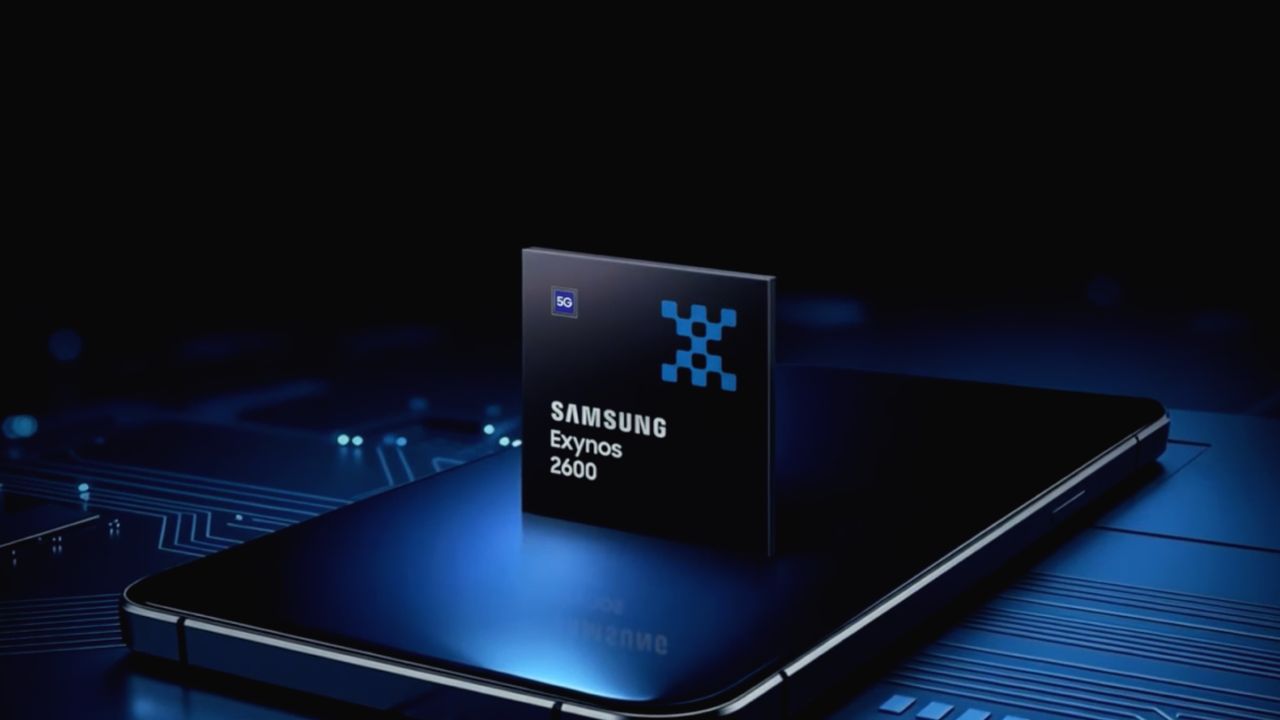
Samsung's Exynos Chip Is Making a Major Comeback
If you've been paying attention to the smartphone industry over the past few years, you'll know that Samsung's in-house Exynos chipset has had a complicated relationship with consumers and critics alike. After a period of stepping back in favor of Qualcomm's Snapdragon processors for its flagship Galaxy lineup, Samsung appears to be charting a bold new course. According to recent industry reports, you might see significantly more Samsung Exynos chips powering devices very soon — and that momentum is expected to carry well into 2027. This is a story about ambition, strategy, and what it means for the future of mobile computing.
Why Samsung Is Doubling Down on Exynos
Samsung's decision to expand Exynos usage is rooted in several key strategic motivations. First and foremost, there's the issue of supply chain independence. Relying heavily on a third-party chipmaker like Qualcomm introduces variables that a company of Samsung's scale wants to minimize. By pushing its own silicon more aggressively, Samsung can better control costs, timelines, and feature sets across its devices.
Beyond supply chain logic, Samsung has enormous financial incentive. Samsung Semiconductor is one of the company's most profitable divisions. Designing, manufacturing, and deploying its own chips — rather than paying licensing and production fees to external suppliers — translates directly into healthier margins on every device sold. When you multiply those savings across hundreds of millions of Galaxy devices shipped annually, the numbers become very significant very quickly.
There's also a technological pride factor at play. Samsung has invested billions of dollars into its chip research and development infrastructure. The Exynos roadmap has seen genuine improvement, particularly with the integration of AMD RDNA graphics architecture in recent generations. Samsung is betting that its engineering teams can close the performance gap with Qualcomm and Apple Silicon — and recent benchmarks suggest that gap is indeed narrowing.
Which Devices Could Feature Exynos Through 2027?
The expansion of Exynos is expected to span multiple device categories, not just the flagship Galaxy S series. Here's where industry watchers and insiders anticipate Samsung will lean into its own silicon:
- Galaxy S Series Flagships: Samsung is widely expected to use Exynos variants across more regional markets, potentially including key European and Asian territories where Snapdragon has traditionally dominated mid-tier and upper-mid-tier Galaxy handsets.
- Galaxy A Series Mid-Rangers: The Galaxy A lineup represents Samsung's highest volume segment globally. Rolling out newer generations of Exynos chips here allows Samsung to test and mature its silicon at massive scale while capturing cost efficiencies.
- Galaxy Tab and Chromebook Devices: Samsung's tablet and lightweight computing lineup is another natural home for Exynos expansion. As the chips grow more powerful and efficient, they become increasingly viable for productivity-focused use cases beyond smartphones.
- Wearables and IoT: Smaller, more efficient Exynos variants are already powering Galaxy smartwatches. Expect this footprint to grow as Samsung integrates more of its own silicon across its ecosystem of connected devices.
The Exynos vs. Snapdragon Debate: Has the Gap Closed?
For years, tech enthusiasts and Samsung fans have debated the merits of Exynos versus Snapdragon. In multiple previous generations, Snapdragon-powered Galaxy devices measurably outperformed their Exynos counterparts in terms of sustained performance, thermal management, and camera processing. That reputation left a mark.
However, Samsung's partnership with AMD for GPU architecture has been a genuine turning point. The Exynos chip featuring AMD's RDNA-based Xclipse graphics delivered a noticeable leap in gaming performance and visual fidelity. While it didn't immediately dethrone Qualcomm's Adreno GPU lineup, it signaled that Samsung is no longer content to simply lag behind. Future generations incorporating the next iterations of this AMD collaboration are expected to push the performance envelope further.
On the CPU side, Samsung has been working with ARM's latest core architectures and refining its own custom core designs. The goal is a chip that not only competes on benchmarks but also delivers the kind of real-world, day-to-day efficiency that users actually feel in battery life and responsiveness. Industry analysts suggest the 2025 and 2026 Exynos generations could be the ones that genuinely shift consumer perception.
What This Means for Samsung Galaxy Buyers
If you're in the market for a Samsung Galaxy device over the next couple of years, the growing presence of Exynos chips is something to be aware of. Here's what you should keep in mind as a buyer:
- Regional variation will persist: Samsung has historically shipped different chipsets in different markets. Check which processor variant ships in your country before making a purchase decision.
- Software optimization matters: Much of Exynos's previous underperformance was tied to software tuning. Samsung's One UI team has been working more closely with the semiconductor division to ensure better integration and optimization.
- Future generations look promising: If benchmarks and leaks are to be believed, the Exynos chips planned for 2026 and 2027 represent a serious step up. Waiting for these generations — if you're not in urgent need of an upgrade — could be worthwhile.
Samsung's Bigger Semiconductor Ambitions
It's worth zooming out to understand Exynos's role within Samsung's broader semiconductor strategy. Samsung is one of the few companies in the world that designs chips, manufactures them at its own foundries, and deploys them in its own consumer products. This vertical integration gives Samsung a unique competitive position — but it also means the success of Exynos chips is tied to the success of Samsung's foundry business and its ability to attract external customers to its manufacturing nodes.
As Samsung competes with TSMC for advanced node manufacturing contracts, demonstrating strong in-house chip performance serves as a living advertisement for its foundry capabilities. A competitive Exynos chip running inside a Galaxy flagship is, in effect, a powerful proof of concept for Samsung Foundry's technology.
The Road Ahead for Exynos
The story of Samsung's Exynos chip through 2027 is ultimately one of redemption and ambition. The company is investing heavily, refining its approach, and broadening the deployment of its silicon across more devices and more markets. Whether Exynos fully reclaims parity with — or even surpasses — its rivals remains to be seen. But one thing is clear: Samsung is playing a long game with its chip strategy, and the next chapter is shaping up to be one of the most interesting yet. Keep your eyes on upcoming Galaxy launches — Exynos is coming back, and it's coming back with a purpose.