
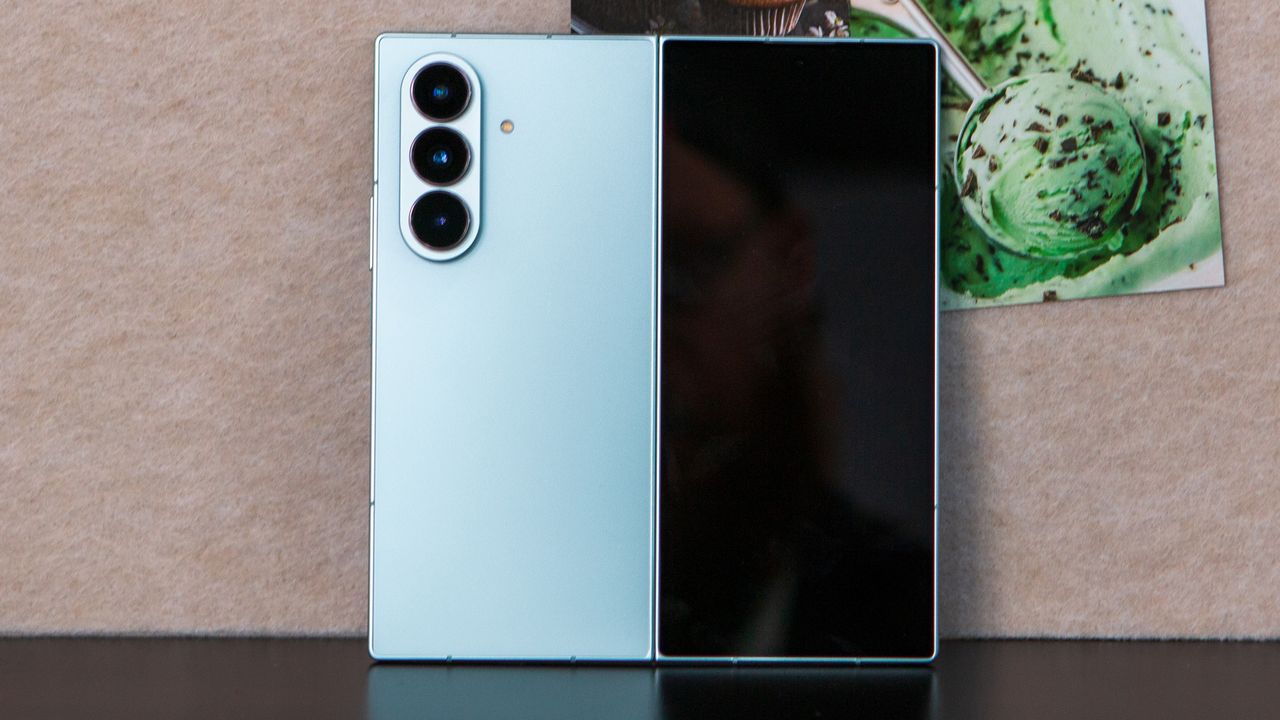
Samsung Galaxy Z Fold 8 Ultra vs. Galaxy Z Fold 8 (Wide): Which Foldable Should You Choose?
Samsung's Galaxy Z Fold lineup has consistently pushed the boundaries of what a smartphone can be. With the arrival of the Galaxy Z Fold 8 series, the South Korean tech giant is once again forcing buyers to make a tough decision: go for the premium power of the Galaxy Z Fold 8 Ultra, or embrace the expansive display real estate offered by the Galaxy Z Fold 8 (Wide)? Both devices carry serious appeal, but they cater to meaningfully different kinds of users. This guide breaks down everything you need to know before you open your wallet.
Understanding the Two Devices
Before diving into a head-to-head comparison, it helps to understand what each device is trying to accomplish.
The Samsung Galaxy Z Fold 8 Ultra is Samsung's most capable foldable yet, sitting at the absolute top of the Z Fold hierarchy. It inherits the "Ultra" branding that Samsung has used to signal class-leading performance, camera technology, and premium materials across its flagship S-series. The Ultra variant is designed for users who want the most powerful foldable phone money can buy, with zero compromises on processing power or photographic capability.
The Galaxy Z Fold 8 (Wide), on the other hand, takes a different philosophical approach. Rather than stacking on cutting-edge specs, this model prioritizes the foldable form factor itself — specifically, a wider outer display that makes the phone genuinely usable when folded, without needing to flip it open for everyday tasks. It's a refinement of the core Z Fold experience, targeted at users who want a more natural, tablet-like feel without the Ultra price tag.
Display: Wide Screen Wins in Daily Usability
The most immediately noticeable difference between the two phones is the screen experience. The Galaxy Z Fold 8 Wide features a significantly broader cover display — reportedly around 6.5 inches when folded — which moves it closer to the proportions of a conventional candy-bar smartphone. This makes one-handed use far more comfortable and reduces the awkwardness that has historically plagued Z Fold cover screens.
The Galaxy Z Fold 8 Ultra's inner display, however, is where it truly shines. With a larger unfolded panel featuring an improved crease-reduction design and a higher adaptive refresh rate, the Ultra delivers a more immersive tablet-mode experience. For productivity tasks, multimedia consumption, and multitasking with up to three apps open simultaneously, the Ultra's inner display is best in class.
If your priority is having a cover screen you'll actually use every day, the Wide variant has the edge. If your priority is an extraordinary unfolded display for work and media, the Ultra pulls ahead.
Performance and Chipset
Both devices are powered by a top-tier Snapdragon processor, but the Galaxy Z Fold 8 Ultra is expected to leverage the absolute latest silicon, potentially featuring enhanced AI processing cores and improved thermal management for sustained performance during demanding tasks. The Ultra also likely ships with more RAM as a baseline — reports suggest configurations starting at 16GB — making it the better choice for heavy multitaskers and power users running intensive applications.
The Galaxy Z Fold 8 Wide does not slouch here either. With a flagship-grade chip and at least 12GB of RAM in its base configuration, it handles virtually everything the average user will throw at it. For most people, the performance difference will be imperceptible in day-to-day use. The gap matters more for those editing 8K video on the go, running multiple productivity suites simultaneously, or pushing on-device AI features to their limits.
Camera Systems: Ultra Lives Up to Its Name
This is where the Galaxy Z Fold 8 Ultra justifies much of its premium pricing. Drawing from Samsung's Galaxy S Ultra camera heritage, the Ultra model features a periscope telephoto lens with extended optical zoom capability, a larger primary sensor, and significantly improved low-light performance across all lenses.
- The Ultra's main sensor benefits from a wider aperture and enhanced computational photography, resulting in dramatically better detail retention in challenging lighting.
- The periscope zoom gives users meaningful reach for portrait and wildlife photography without the quality loss that comes from digital cropping.
- Samsung's ProVisual Engine and AI-powered scene optimization are expected to be more advanced on the Ultra variant, offering more granular manual control for enthusiast photographers.
The Galaxy Z Fold 8 Wide has a capable triple-camera setup of its own, but it does not include the periscope telephoto and uses a slightly smaller primary sensor. For casual photography and social media, the difference won't be earth-shattering — but for anyone who takes mobile photography seriously, the Ultra is the clear winner.
Battery Life and Charging
Both models house large batteries — a necessity given the power demands of folding displays. The Ultra model is expected to feature a marginally larger cell paired with more efficient fast-charging support, potentially reaching full charge in under 45 minutes. The Wide variant offers competitive battery life for its class, and its slightly less demanding cover display could mean better real-world screen-on time during folded use.
Build Quality and Design
Samsung has applied Armor Aluminum framing and Corning Gorilla Glass Victus protection across both devices. The Ultra adds a titanium alloy chassis in select configurations, improving durability and giving the device a premium feel that is noticeably different in hand. Both phones carry an IPX8 water resistance rating, a welcome improvement for foldable devices that have historically been more vulnerable to moisture.
Price and Value Proposition
Here is where the decision gets practical. The Galaxy Z Fold 8 Ultra is expected to command a significant premium — likely starting at $1,999 or above in key markets — reflecting its camera hardware, materials, and processing advantage. The Galaxy Z Fold 8 Wide is anticipated to launch at a more accessible price point, potentially in the $1,699 range, making the foldable experience available to a slightly broader audience without stripping back essential features.
For users who simply want the best foldable Samsung makes, the Ultra is worth every dollar. For those who prioritize usability in folded mode and don't want to pay a steep premium for camera and chip upgrades they may never fully utilize, the Wide offers genuinely compelling value.
Final Verdict: Which One Is Right for You?
Choose the Galaxy Z Fold 8 Ultra if you are a power user, mobile photographer, or someone who wants absolute top-tier performance with no compromises. Choose the Galaxy Z Fold 8 Wide if you value a more natural cover screen experience, strong everyday performance, and a slightly friendlier price point.
Either way, Samsung has raised the bar for foldable smartphones in 2025. The real winner here is the consumer, who now has more thoughtful choices than ever before in the foldable segment.