
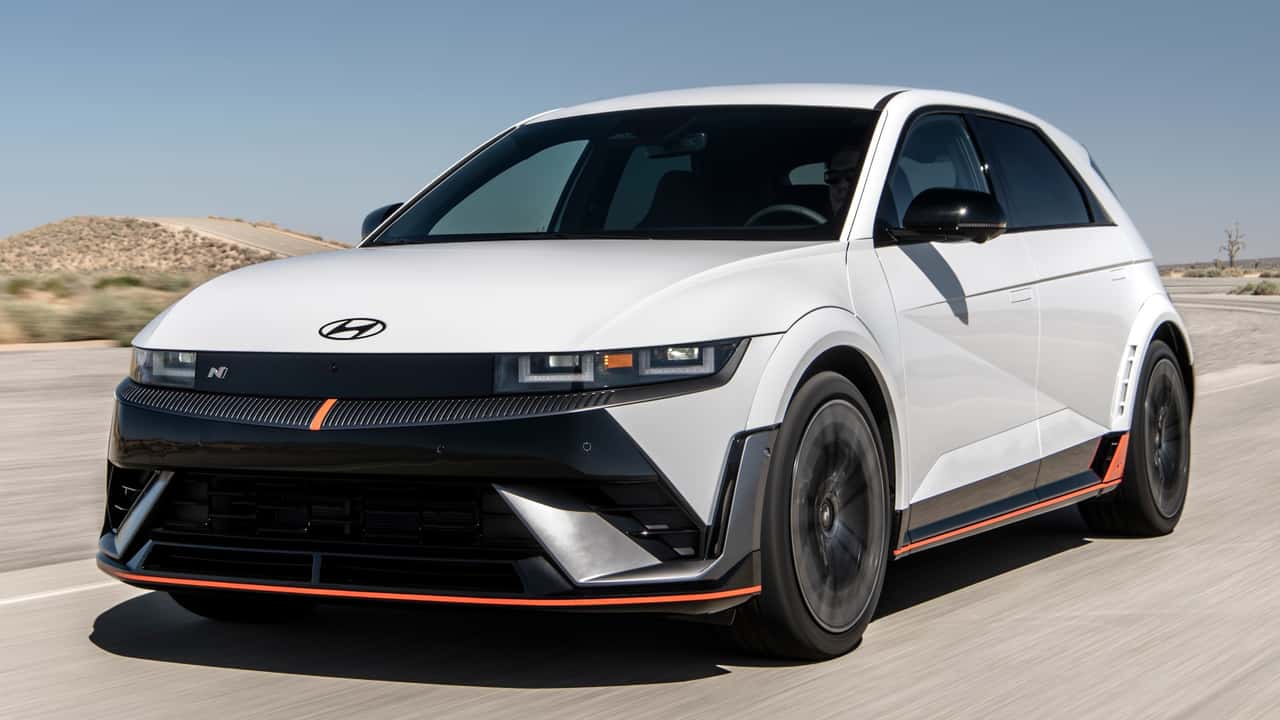
Hyundai Is Pushing the Boundaries of Electric Performance With Smarter N e-Shift Technology
The electric vehicle revolution has brought with it one unavoidable trade-off for driving enthusiasts: the disappearance of the manual gearbox. For decades, the tactile rhythm of clutch, shift, and rev-match defined what it meant to drive a performance car. As automakers transition their lineups to battery power, many performance fans have been left wondering whether driving excitement can ever truly survive the switch. Hyundai, however, is not ready to let that feeling die. The South Korean automaker has confirmed plans to enhance its N e-shift simulated gearbox technology in its next generation of electric N performance cars, with the explicit goal of making the experience feel more realistic than ever before.
What Is Hyundai's N e-Shift Technology?
Before diving into what Hyundai is planning next, it helps to understand where the technology currently stands. N e-shift is Hyundai's proprietary system designed to simulate the sensation of driving a traditional manual transmission vehicle in an electric car. Using clever software and hardware integration, the system artificially replicates the feeling of gear changes, complete with simulated resistance, rev behavior, and shift feedback through the steering wheel paddles.
The technology made its debut in models like the Ioniq 5 N, Hyundai's first dedicated electric performance car, and was quickly celebrated by automotive journalists and enthusiasts as one of the more convincing attempts to bridge the gap between internal combustion engagement and electric convenience. Rather than simply slapping paddle shifters onto an EV for show, Hyundai engineered N e-shift to respond dynamically, mimicking the torque surges and brief power interruptions associated with actual gear changes in a petrol-powered sports car.
The result was a system that divided opinion in the best possible way — it was enthusiastic enough to genuinely delight manual gearbox fans while remaining entirely optional for those who preferred seamless single-speed electric thrust.
Why Hyundai Wants to Make It Feel Even More Realistic
Despite the praise N e-shift received at launch, Hyundai's performance division is not resting on its laurels. The brand has been clear that its current implementation, while impressive, is only the beginning. The stated ambition is to push the realism of the simulated driving experience further — making future iterations harder to distinguish from the genuine article.
This pursuit of realism is not just an engineering exercise. It reflects a deeper philosophical commitment from Hyundai's N division to preserve the emotional and physical connection between driver and machine. Performance driving has always been as much about feeling as it has been about numbers, and Hyundai understands that top-tier lap times and acceleration figures alone are not enough to satisfy the most passionate drivers. The joy of wringing a car through a series of corners, managing gear selection, and feeling the car respond to every input is a major part of why enthusiasts fall in love with performance vehicles in the first place.
By investing in more convincing simulation technology, Hyundai is betting that it can retain that audience even as the industry moves away from traditional powertrains.
What Improvements Can We Expect in Next-Generation Electric N Cars?
While Hyundai has not yet published a detailed technical roadmap for the upgraded N e-shift system, the direction of travel is clear. Engineers are expected to focus on several key areas to improve the realism of the simulated gearbox experience.
- More precise torque interruption: Current systems simulate gear changes by briefly modulating power delivery. Future versions are likely to refine the timing, duration, and intensity of these interruptions to more closely mirror the feel of an actual clutch engagement and release.
- Enhanced haptic and acoustic feedback: Realism is not just about what you feel through the seat and wheel — it is also about what you hear. Next-generation systems are expected to offer more sophisticated sound design paired with improved physical feedback cues to deepen immersion.
- Smarter rev-matching simulation: One of the most satisfying elements of driving a manual car is the art of heel-and-toe rev matching during downshifts. Hyundai is likely to invest in making its simulated version of this process more nuanced and rewarding.
- Expanded driver customization: Future N e-shift systems may offer greater control over how aggressive or subtle the simulated gear changes feel, allowing drivers to dial in an experience that suits their personal preference and driving conditions.
Hyundai N's Broader Vision for Electric Performance
The push to improve N e-shift sits within a broader strategy by Hyundai's N division to establish the brand as a genuine leader in electric performance. The Ioniq 5 N was a powerful opening statement — a car that proved battery power and driving joy are not mutually exclusive. As the segment grows more competitive, with rivals developing their own answers to the question of EV engagement, Hyundai knows it must continue to innovate to stay ahead.
The N division has consistently demonstrated a willingness to take risks and pursue authenticity rather than simply optimizing for headline-grabbing specifications. That same spirit is evident in the continued development of N e-shift, a feature that could easily have been dismissed as a gimmick but has instead been treated as a serious engineering priority.
What This Means for Performance EV Buyers
For consumers considering an electric performance car, Hyundai's commitment to improving N e-shift technology is a significant selling point. It signals that the brand is listening to what driving enthusiasts actually want — not just power and range, but the kind of visceral, involving experience that makes a car genuinely memorable to drive.
As next-generation electric N models begin to take shape, buyers can expect a driving experience that feels increasingly close to the manual performance cars of the past, without sacrificing any of the instant torque delivery, efficiency, or low running costs that make modern EVs so compelling. For Hyundai, the goal is simple: build electric cars that feel so engaging, so alive, and so realistic that choosing one over a petrol alternative becomes an easy decision for even the most committed driving enthusiast.
With N e-shift continuing to evolve, that goal looks closer to becoming a reality with every generation.