
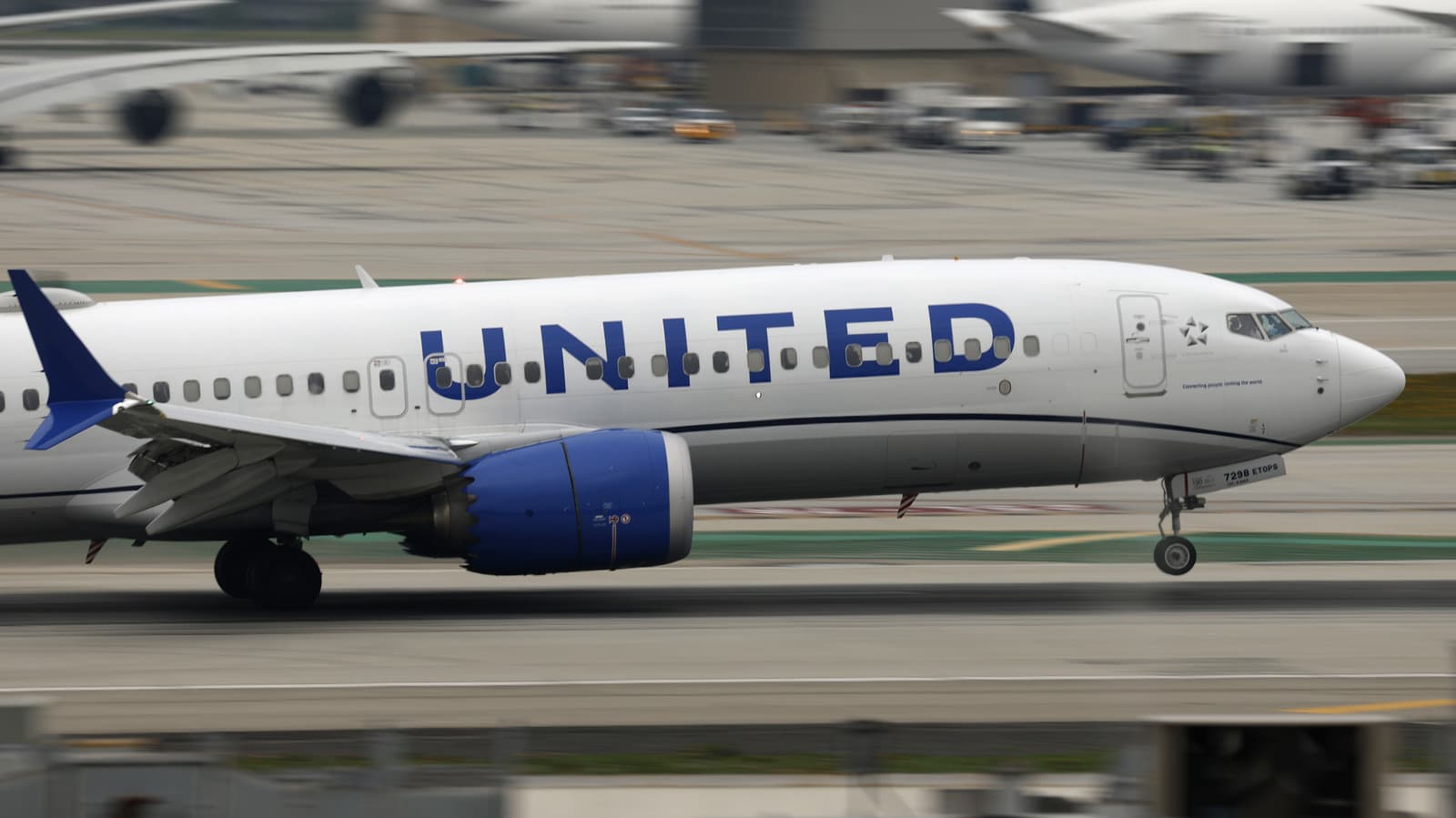
United Airlines Leaves World Cup Commentary Team Stranded Over 200 Miles Away at 3 AM
Air travel disruptions are nothing new, but when they happen to a professional broadcasting team racing against the clock to cover one of the world's biggest sporting events, the consequences go far beyond personal inconvenience. United Airlines recently found itself at the center of a travel nightmare after stranding a World Cup commentary team more than 200 miles from their intended destination — in the dead of night, at 3 AM. The incident has reignited frustration among frequent travelers and sports media professionals alike, shining a harsh spotlight on how major U.S. carriers handle irregular operations during high-demand travel periods.
What Happened to the World Cup Commentary Team?
Details of the incident paint a picture that will feel painfully familiar to anyone who has been on the wrong end of an airline's logistical collapse. The commentary team, tasked with providing broadcast coverage for one of the most-watched tournaments on the planet, was left stranded at an airport well over 200 miles from where they needed to be — and at a time of night when ground transportation options are extremely limited.
Rather than arriving ready to prepare for their broadcast duties, the team was left scrambling to figure out how to cover hundreds of miles on their own, in the middle of the night, with equipment and professional obligations in tow. The situation is a stark reminder that when airlines fail, it is rarely just one person who suffers — entire professional operations can be thrown into disarray.
As the original source bluntly put it: logistics are hard. But for a carrier of United Airlines' size and resources, this kind of failure raises serious questions about contingency planning, passenger communication, and the airline's duty of care when things go wrong.
Why Airline Disruptions Hit Harder During Major Sporting Events
The FIFA World Cup is one of the most logistically complex events in global sports. It draws millions of fans, journalists, broadcasters, and support staff from every corner of the world, all converging on host cities within a relatively compressed travel window. This creates enormous pressure on airline networks, particularly in the United States, which is co-hosting the 2026 edition alongside Canada and Mexico.
During peak World Cup travel periods, flights sell out quickly, rerouting options become scarce, and the ripple effects of a single mechanical issue or crew shortage can cascade across an entire day of departures. For media professionals like commentary teams, there is virtually no margin for error — they need to be on location, often well in advance of broadcast time, to set up equipment, conduct pre-show preparation, and coordinate with production staff.
When an airline drops the ball in this environment, the cost is not just a missed flight. It can mean a missed broadcast, a breach of professional contracts, and significant reputational damage for everyone involved — including the airline responsible.
United Airlines and a Pattern of Passenger Complaints
This incident did not occur in a vacuum. United Airlines has faced recurring criticism in recent years over how it handles flight cancellations, diversions, and irregular operations. Passengers and travel industry observers have repeatedly noted that the airline's customer service infrastructure often struggles to keep pace when large-scale disruptions occur.
Common complaints include:
- Passengers being rerouted to airports far from their original destinations with little or no compensation offered.
- Long wait times for customer service assistance during irregular operations, particularly during overnight hours when staffing is reduced.
- Inadequate hotel or ground transportation vouchers when delays or cancellations are within the airline's control.
- Poor real-time communication leaving passengers in the dark about their options for hours at a time.
The stranding of a high-profile commentary team amplifies what many ordinary passengers experience on a smaller, less publicized scale every single day. The difference is that a broadcasting team has a platform to share their experience — and an audience primed to listen.
What Are Your Rights When an Airline Strands You?
For travelers who find themselves in a similar situation, understanding your rights is crucial. In the United States, the Department of Transportation has rules governing airline obligations when it comes to significant delays and cancellations. If your flight is canceled or you are involuntarily rerouted to a different airport, you are generally entitled to a full refund — even on nonrefundable tickets — if you choose not to travel.
Beyond refunds, the DOT's recently strengthened passenger protection rules also require airlines to provide automatic cash refunds rather than vouchers in many circumstances. However, the rules around hotels, meals, and ground transportation remain more nuanced, often depending on whether the disruption was within the airline's control.
If you are stranded far from your destination, experts recommend the following steps:
- Call the airline's customer service line immediately, but also try reaching out via social media, as response times can be faster through public-facing channels.
- Keep all receipts for any out-of-pocket expenses such as hotels, taxis, or rental cars, as you may be able to seek reimbursement.
- Ask the airline explicitly about their duty of care obligations and what compensation they are prepared to offer.
- Contact your travel insurance provider if you have a policy, as many cover trip interruption expenses that airlines will not.
The Broader Cost of Airline Failures on Live Broadcasting
Broadcasting sports events is a business built entirely on precise timing. A commentary team is not simply a group of people who can call in remotely without consequence — they require physical presence, technical setups, and coordination with production crews that cannot simply be improvised at 3 AM from 200 miles away. Every hour of delay represents a compounding crisis.
The World Cup spotlight makes this particular incident especially damaging from a public relations standpoint for United Airlines. The airline is one of the major carriers serving World Cup host cities, and incidents like this do real damage to the airline's reputation as a reliable partner for major events.
What This Means for Travelers Heading to World Cup 2026
With the 2026 World Cup set to bring enormous travel demand to cities across the United States, Canada, and Mexico, incidents like this serve as a timely warning for fans and media professionals planning their trips. Booking direct flights wherever possible, allowing generous buffers between arrival times and event start times, and having backup travel plans ready are no longer optional luxuries — they are necessities in today's volatile airline environment.
For the commentary team caught in this particular nightmare, the hope is that their story serves as more than just a cautionary tale. It should prompt airlines like United to take a hard look at how they manage high-stakes travel disruptions, particularly when major global events put their operational reliability under a microscope the entire world is watching.