
The Worst Current Automotive Trends Drivers Simply Can't Stand
The automotive industry is in a constant state of evolution, and not every change lands well with the people who actually buy, drive, and live with these vehicles. From questionable design decisions to baffling technology choices, car manufacturers have developed a habit of chasing trends that frustrate everyday drivers and die-hard enthusiasts alike. If you've ever sat in a new car and thought, "Why did they do that?"—you're not alone. Here's a deep dive into the worst current automotive trends that have drivers everywhere venting their frustrations.
1. Touchscreens That Control Everything
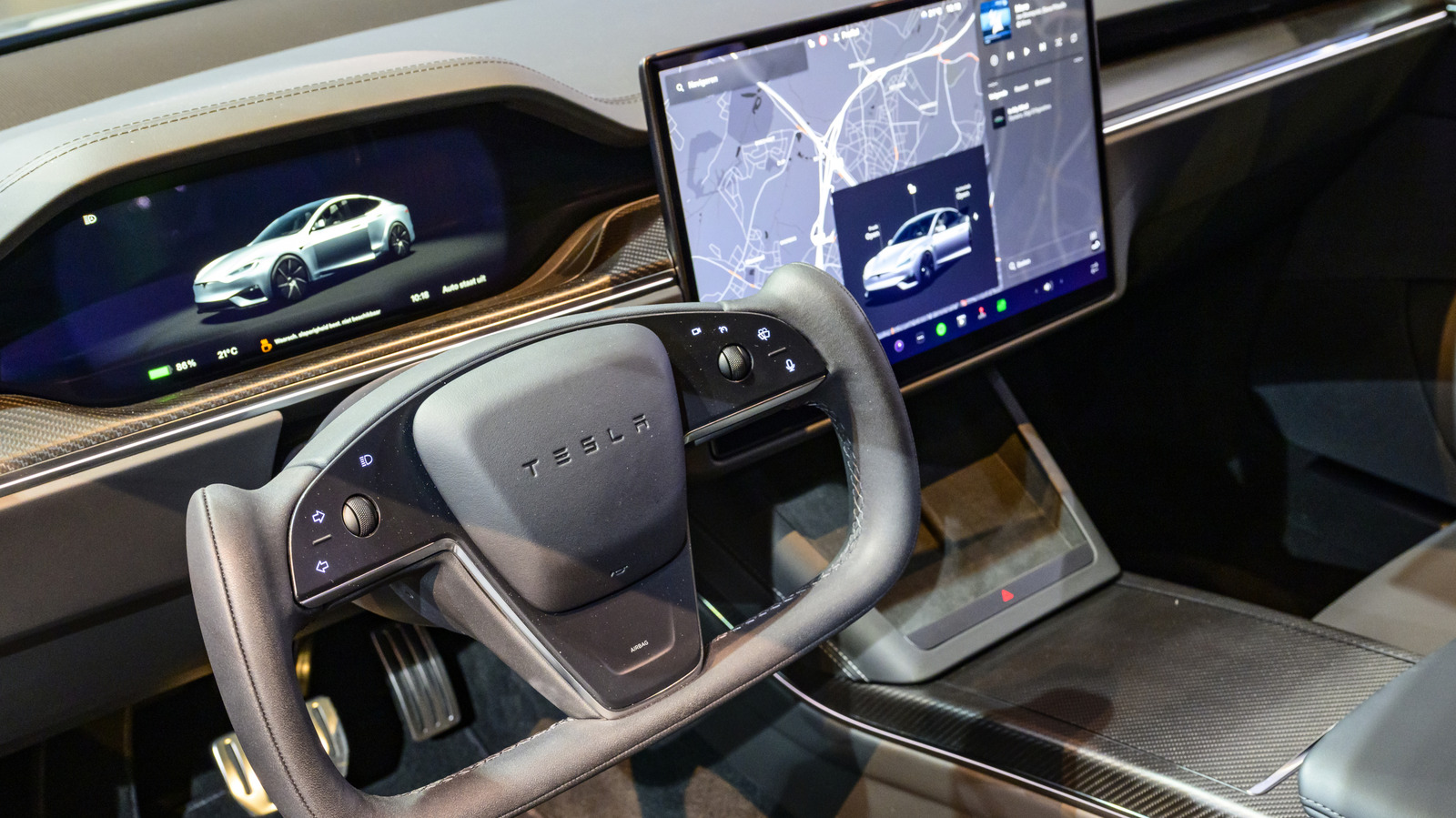
Perhaps no single automotive trend has generated more widespread frustration than the wholesale migration of controls onto giant touchscreens. What was once a slick, futuristic feature has quickly become one of the most universally despised design choices in modern vehicles.
The problem isn't touchscreens themselves—it's the complete elimination of physical buttons, knobs, and switches in favor of a single glowing slab of glass. Adjusting the temperature, changing the fan speed, or even turning on the heated seats now requires navigating multiple menus while trying to keep your eyes on the road. This isn't just annoying; it's a genuine safety concern. Studies have shown that interacting with large touchscreen infotainment systems takes significantly longer than using tactile controls, increasing distraction behind the wheel.
Drivers miss the muscle memory of reaching for a familiar knob without looking. The haptic feedback of a physical button is something no touchscreen has managed to replicate convincingly, and on bumpy roads, accurately tapping a small on-screen icon becomes an exercise in frustration.
2. Oversized, Aggressive Grilles
Walk through any car dealership today and you'll be greeted by a wall of enormous, gaping grilles. Whether it's the kidney grilles on BMW models that have grown to almost comical proportions, or the massive front fascias on trucks and SUVs, oversized grilles have become one of the most polarizing design trends in the modern automotive era.
For many drivers, the issue isn't just aesthetic—it's functional. Large, low-mounted grilles on trucks and crossovers create significant front blind spots, making it harder to see pedestrians, cyclists, and small children in parking lots. The aggressive styling may test well in focus groups, but on city streets it translates into reduced visibility and a more intimidating presence on the road.
Enthusiasts argue that many of these oversized grilles are also largely decorative. As more vehicles transition to electrification, the need for large cooling openings diminishes—yet the grilles keep growing anyway, becoming a hollow design gesture rather than a functional element.
3. Fake Engine Sounds and Artificial Noise
As automakers chase quieter cabins and meet stricter noise regulations, some have turned to a peculiar solution: pumping fake engine sounds through the speakers. This practice, found in everything from hot hatches to performance EVs, has drawn scorn from driving purists who see it as fundamentally dishonest.
There is something deeply unsettling about a car that synthesizes its own soundtrack. Drivers want to feel connected to the machine they're operating, and artificial sound design severs that connection. Even in electric vehicles, where manufactured sound cues might seem more forgivable, many enthusiasts argue they'd prefer the natural hum of electric motors and wind noise to a computer-generated performance.
4. Subscription Fees for Built-In Features
One of the fastest-growing complaints among new car owners is the rise of subscription-based features for hardware that already exists in the vehicle. Heated seats, enhanced performance modes, and advanced driver assistance systems are increasingly being locked behind monthly or annual paywalls—even when the physical components are already installed in the car.
- Paying a monthly fee to use heated seats that are physically present in your car feels exploitative to most buyers.
- Subscription-gated performance upgrades blur the line between ownership and rental, leaving drivers feeling like they don't truly own the vehicle they paid for.
- The lack of transparency around which features require ongoing payments makes the true cost of ownership difficult to calculate at the point of purchase.
This trend represents a fundamental shift in the ownership model, and consumers are pushing back hard. Several automakers have already reversed course after public backlash, but the practice remains widespread enough to rank among the most hated trends in the industry.
5. The Disappearance of Manual Transmissions
For a significant portion of the driving enthusiast community, the slow death of the manual transmission is nothing short of a tragedy. As automakers optimize their lineups for fuel economy and convenience, the three-pedal setup is vanishing from showrooms at an alarming rate.
Driving a manual gearbox offers an engagement and sense of control that no automatic can fully replicate. The act of matching revs, feeling a clean shift, and truly participating in the driving process is something millions of drivers cherish—and it's becoming increasingly rare to find, even as an option.
6. Identical Crossover Styling
Walk through any parking lot and try to identify every crossover SUV by silhouette alone. It's nearly impossible. The rush to capitalize on the booming crossover market has produced a sea of nearly identical vehicles distinguished only by their badges. Swooping rooflines, blacked-out pillars, and similar proportions have made the segment feel monotonous and creatively bankrupt to many buyers who crave individuality in their vehicle choice.
The Bottom Line
Automotive trends come and go, but the ones that sacrifice driver experience, safety, or genuine ownership value for the sake of novelty or profit tend to generate lasting resentment. The good news is that consumer feedback genuinely matters in this industry. When drivers speak loudly enough—through online criticism, sales figures, and direct feedback—automakers do listen. The worst trends of today may well become the cautionary tales that shape better vehicles tomorrow.